
Daniel Hart · ·
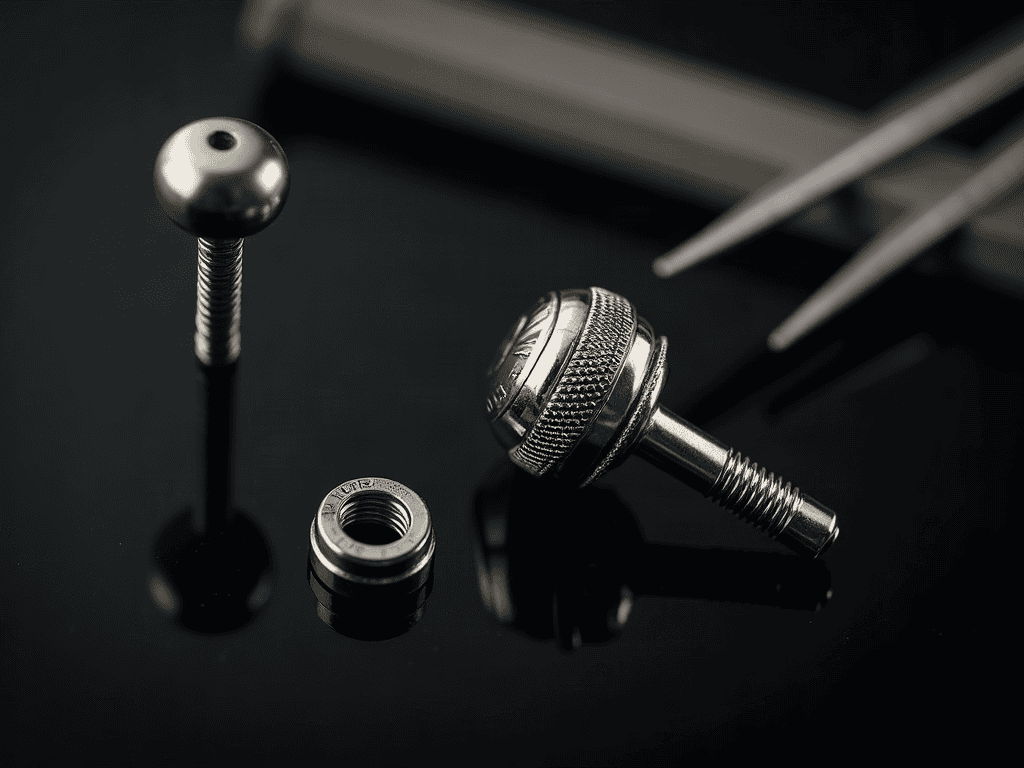
A crown that pulls all the way out with the stem attached is alarming, and the correct response is more urgent than most people assume.
The case is now open. There is a hole straight into the movement where the stem used to sit, and dust and moisture are getting in from the moment it happened.
Here is what to do, and the tempting thing not to do.
The short answer
What has actually happened
The winding stem is usually held by a small setting lever screw or a detent inside the movement. Pulling the crown out too hard, or a worn detent, releases it and the whole stem comes away.
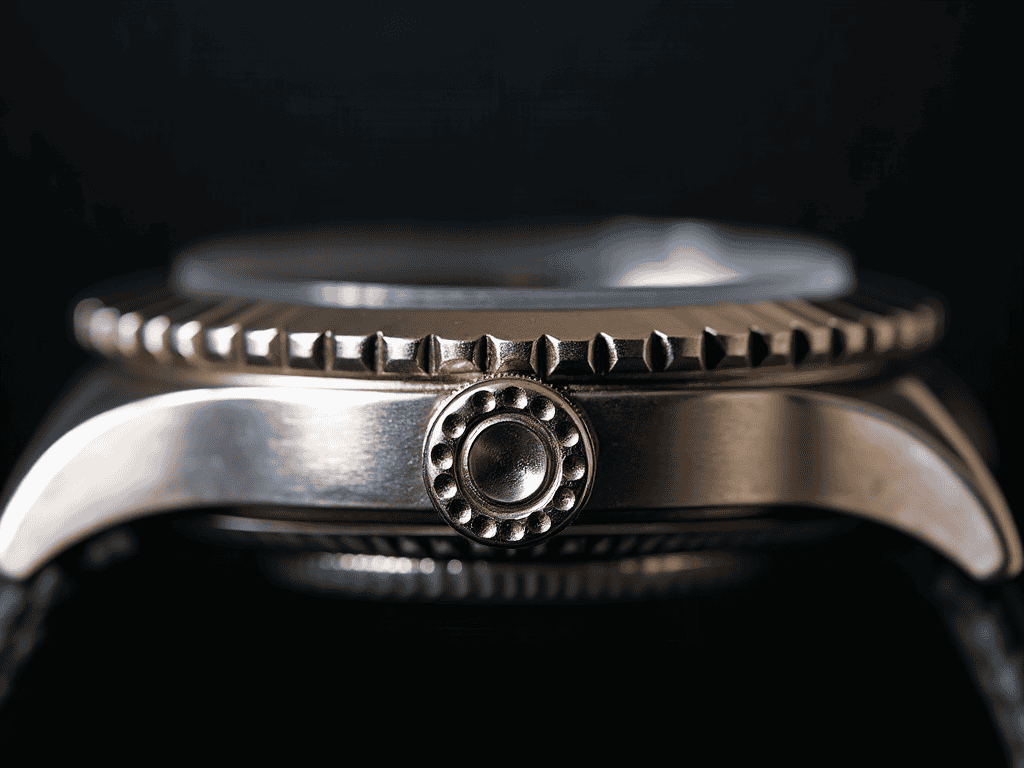
Nothing has broken in the timekeeping, but the case is no longer sealed. The stem tube is a direct opening into the movement, and our guide to what a dive watch needs covers why the crown is the largest deliberate hole in any case.
That is why this is urgent rather than merely annoying. Seiko covers crown positions and the setting mechanism on its mechanical watch knowledge page.
The first hour
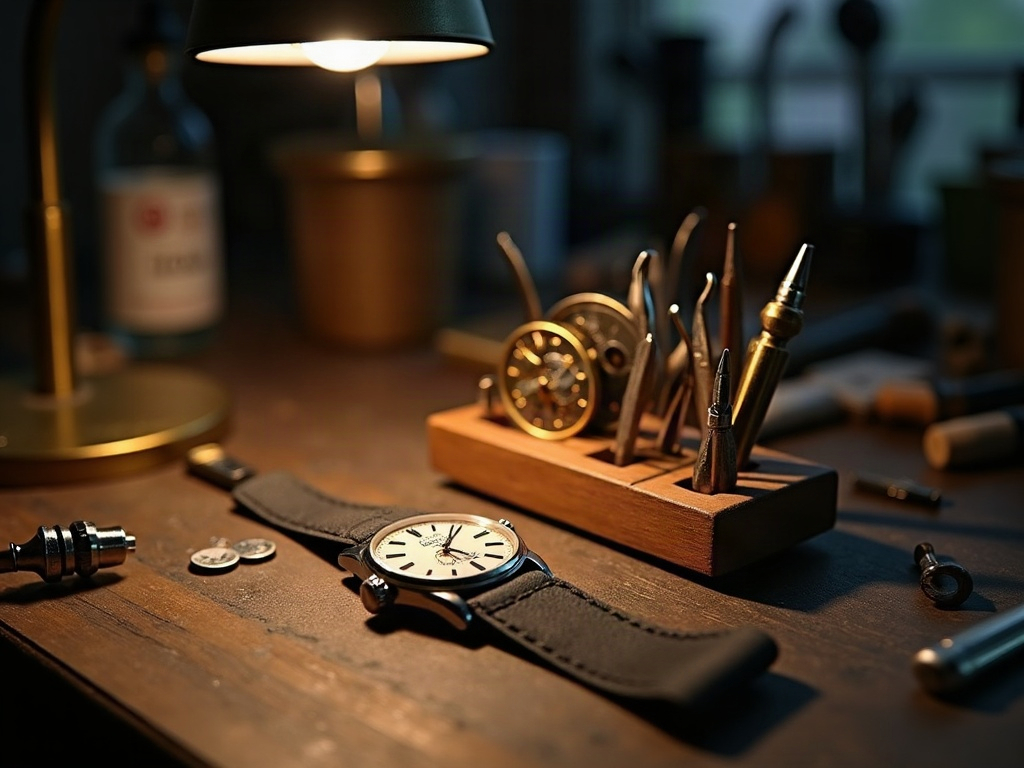
Take the watch off and stop wearing it. Every hour on a wrist is another hour of skin moisture and dust reaching an open movement.
Put the crown and stem somewhere you will not lose them. They are matched to the watch, and replacing a stem is a great deal more work than refitting one.
Keep the watch somewhere dry, face up, and away from anything magnetic. Our guide to how an automatic behaves covers what happens while it winds down, which it now will.
| Do | Do not |
|---|---|
| Stop wearing it immediately | Carry on wearing it until it is convenient |
| Keep the crown and stem together | Lose the stem, which is the expensive part |
| Store it dry and face up | Leave it in a bathroom or a pocket |
| Book a watchmaker within days | Wait weeks because it still tells the time |
| Let them refit it | Push the stem back in yourself |
Why not to push it back in
It usually will go back in, and that is exactly the problem. On most movements the setting lever has to be released from inside the case before the stem seats properly.
Forcing it past the lever bends or breaks the part that holds it, which turns a fifteen-minute refit into a movement repair. This is the most common way this problem gets more expensive.
The exception is a two-piece split stem, common on quartz watches, where the outer half clicks back on. If you are not certain which you have, assume you have the first kind.
What it will cost and why it happened
A refit is usually a short bench job. If the detent or setting lever screw is worn, that part is replaced at the same time, and the watchmaker should pressure test the case afterwards because it has been open.
The usual cause is pulling the crown too hard, often while trying to unscrew a screw-down crown that was not fully unscrewed yet. Our winding and setting guide covers the correct sequence on a screw-down crown.
If the watch has been stopping or the crown has felt loose for a while, that was the warning. Our accuracy calculator is worth running once it is back, since a movement that has been open often needs regulating.
Frequently asked questions
My watch crown came out with the stem. Is it ruined?
No, but the case is now open at the stem tube, so dust and moisture reach the movement. Stop wearing it and get it to a watchmaker within days.
Can I push the watch stem back in myself?
Better not. On most movements the setting lever has to be released from inside the case first, and forcing the stem past it breaks the part that holds it.
Why did the crown pull out?
Usually pulling too hard, often while unscrewing a screw-down crown that was not fully released, or a worn setting lever detent.
Can I keep wearing the watch until I get it fixed?
No. It still tells the time, which is why people do, but every hour on a wrist puts more moisture and dust through an open case.
Will it need a full service?
Usually just a refit, plus a replacement part if the detent is worn. The case should be pressure tested afterwards because it has been open.
The verdict
This is one of the few watch problems where the clock genuinely starts, because the case is open and stays open until someone closes it.
Stop wearing it, keep the stem, and do not push it back in. Those three decisions are the difference between a bench job and a repair.

Daniel Hart is the editor of Watch The Watch. He researches and writes the site’s buying guides, brand comparisons, and explainers, focused on accessible, enthusiast-level watches — affordable automatics, divers, field and dress watches, everyday quartz, and the straps, winders and tools that go with them. The goal is practical, budget-aware advice that helps readers choose the right watch for their wrist and their budget. Recommendations draw on manufacturer specifications and the wider enthusiast community.
