
Daniel Hart · ·
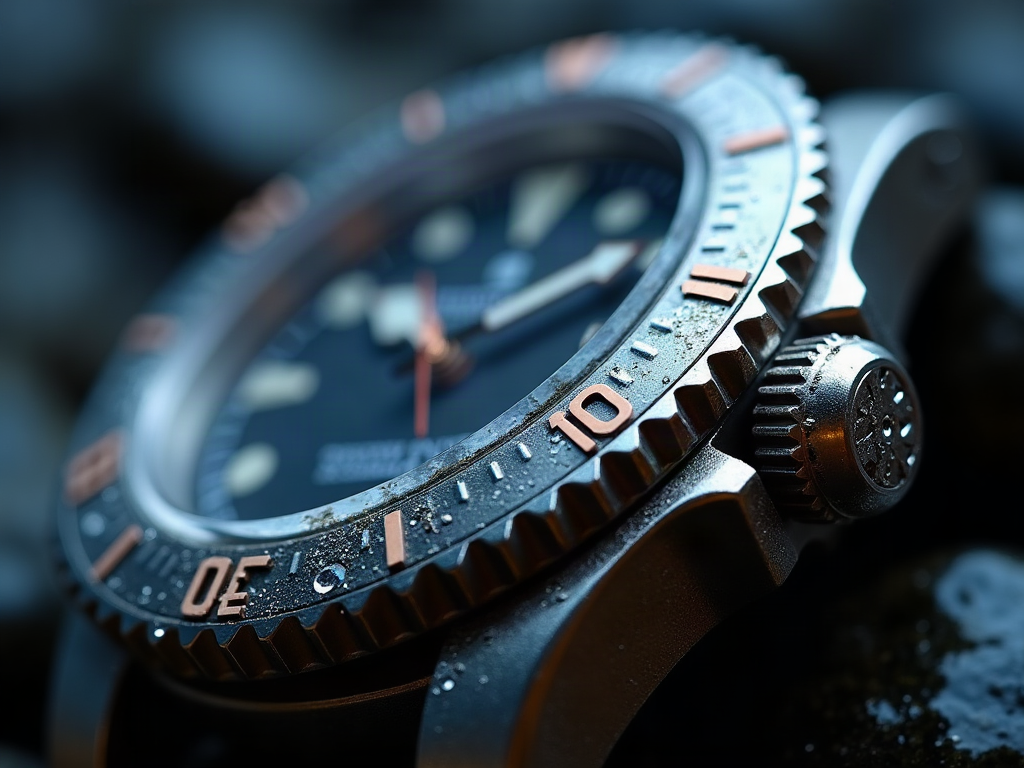
Most watches that look like dive watches are not dive watches in any formal sense. The word diver on a dial is decoration unless the watch meets a specific international standard.
That standard is ISO 6425, and it is unusually demanding: it covers not just depth but legibility, magnetism, shock, salt water, the strap, and the bezel.
Knowing what it requires is the fastest way to tell a real tool watch from a styled one.
The short answer
What the standard actually demands
Depth is the least of it. The standard sets a minimum water resistance of 100 m and requires testing above the rated figure rather than at it, so the marking carries a real margin.
The requirements people never think about are the interesting ones. The time must be readable at 25 cm in complete darkness, which forces genuinely good lume on both hands and markers, and there must be a visible indication that the watch is still running, which is why dive watches have lumed seconds hands.
The Federation of the Swiss Watch Industry covers the testing regime and how divers’ watches differ from ordinary water-resistant ones on its water resistance page.
| Requirement | What it means in practice |
|---|---|
| Minimum 100 m | Tested above the rated depth, not at it |
| Unidirectional bezel | Can only turn one way, so a knock shortens the dive not lengthens it |
| Legible at 25 cm in darkness | Real lume on hands and markers, not just markers |
| Running indication | Usually a lumed seconds hand |
| Magnetic resistance | Must keep time after exposure to a magnetic field |
| Shock resistance | Must survive a defined impact test |
| Salt water resistance | 24 hours in salt water without corrosion |
| Strap solidity | Attachment must withstand a defined pulling force |
| Individual testing | Every watch, not a sample from the batch |
Why the bezel can only turn one way
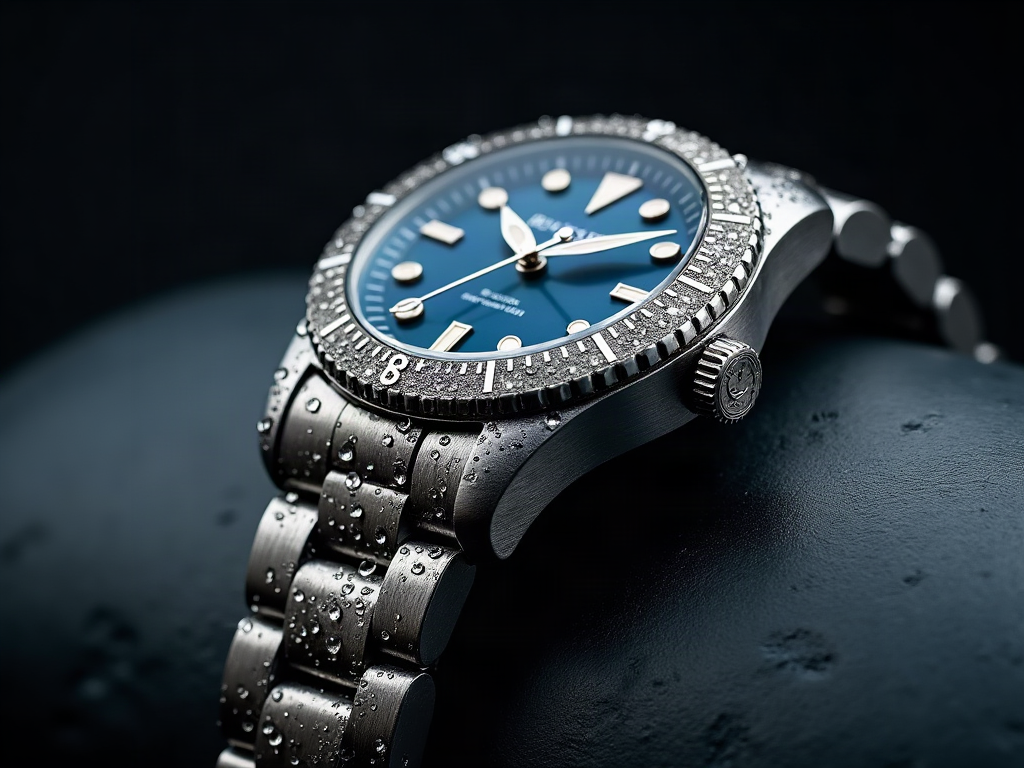
This is the most elegant safety requirement in watchmaking. A diver sets the bezel to mark the start of a dive and reads elapsed time off it.
If the bezel could turn both ways, a knock could rotate it backwards and make the dive look shorter than it was. A diver reading that would surface late, having exhausted the air they thought they still had.
A unidirectional bezel can only be knocked in the direction that makes the dive appear longer, which sends the diver up early. The failure mode is engineered to be safe. Our bezel guide covers using one properly.
How to tell if a watch actually complies
Look at the dial. A watch meeting the standard is marked DIVER’S with the depth rating, in that specific form. Watches that merely look the part say things like diver, sport or professional instead, which are not regulated words.
That single detail separates the two categories faster than any specification list. It is also why some very capable watches do not carry it: certification costs money and a brand may simply not pursue it.
So the marking proves compliance, but its absence does not prove incapability. Read it as a strong positive signal rather than a requirement.
Do you need a compliant watch
If you dive, yes, or at least you want the features the standard mandates. They are all things that matter underwater, and none of them is included by accident.
If you do not dive, the standard is still a useful shorthand. A watch built to it is over-engineered for ordinary life, and over-engineering is exactly what makes a watch survive being worn every day for a decade. Our affordable dive watch guide covers models that meet it without costing four figures.
The specifications worth checking individually are the crown, the bezel and the lume, and our guide to dive watches under $1,000 covers models that get all three right. Our water resistance checker matches a rating to what you actually plan to do, on watches that make no claim to the standard at all.
Straps that suit the watch
A dive watch on the wrong strap is a dress watch that happens to be waterproof.


As an Amazon Associate, Watch The Watch earns from qualifying purchases at no extra cost to you. See our affiliate disclosure.
Frequently asked questions
What is ISO 6425?
The international standard for divers’ watches. It covers minimum water resistance of 100 m, a unidirectional bezel, legibility in darkness, and resistance to magnetism, shock, salt water and strap failure.
How can I tell if a watch meets ISO 6425?
It will be marked DIVER’S with its depth rating on the dial. Watches marked only diver, sport or professional are using unregulated words and make no claim to the standard.
Why must a dive bezel be unidirectional?
So an accidental knock can only make the dive appear longer than it was, sending the diver up early. A bidirectional bezel could make a dive look shorter and cause a diver to surface late.
Is every dive watch tested individually?
Under ISO 6425, yes. Unlike ordinary water resistance testing, which can be done on samples, divers’ watches must each be tested rather than batch sampled.
Does a watch need ISO 6425 to be a good dive watch?
No. Certification costs money and some very capable watches skip it. The marking proves compliance, but its absence does not prove the watch is unfit.
The verdict
ISO 6425 is one of the few places in watchmaking where a word on a dial is backed by a real, testable, individually verified standard.
Look for DIVER’S with a depth figure. Everything else on a dive-styled watch is aesthetics until that marking appears. Our dive watch checker scores your own watch against the standard in eight questions.

Daniel Hart is the editor of Watch The Watch. He researches and writes the site’s buying guides, brand comparisons, and explainers, focused on accessible, enthusiast-level watches — affordable automatics, divers, field and dress watches, everyday quartz, and the straps, winders and tools that go with them. The goal is practical, budget-aware advice that helps readers choose the right watch for their wrist and their budget. Recommendations draw on manufacturer specifications and the wider enthusiast community.


Pingback: Best Affordable Dive Watches: Top Picks from Cheap to Expensive - WatchTheWatch.co