
Daniel Hart · ·
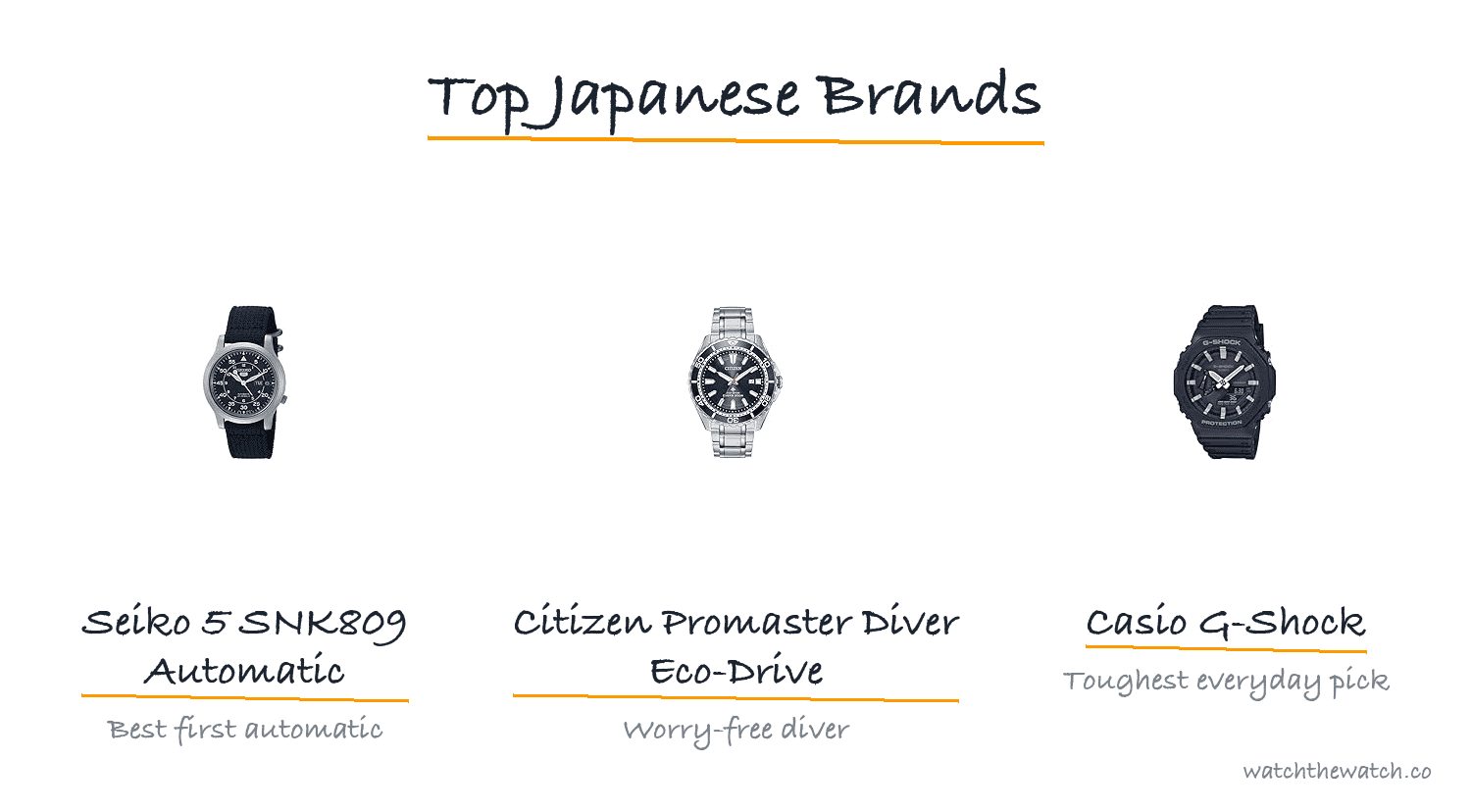
Few countries punch as far above their weight in watchmaking as Japan. While the Swiss spent the 20th century perfecting tradition, Japanese makers tore up the rulebook — and in 1969 Seiko shipped the first quartz wristwatch, an invention that reshaped the entire industry. The defining trait of Japanese watchmaking is relentless, democratic engineering: real horology offered at prices that don’t ask for a second mortgage.
What you get from Japan is a particular flavour of value. The big three — Seiko, Citizen and Casio — between them cover automatics, light-powered quartz and near-indestructible digital tool watches, often vertically integrated under one roof. Smaller independents like Orient and Kurono Tokyo prove the country also does charm and craft, not just volume.
Below are five brands worth your money in 2026, each shown with one watch that captures what the brand does best.
1. Seiko — the everyman’s automatic
Seiko is the natural starting point for almost anyone falling into watches. Founded in Tokyo in 1881, the company has done a bit of everything: dive watches that defined the genre in the 1960s, the world’s first quartz, Spring Drive, and the haute-horology heights of Grand Seiko. No other brand spans grocery-store quartz to five-figure hand-finished masterpieces under the same name.
Seiko’s reputation rests on doing the fundamentals honestly. Their in-house automatic movements aren’t the most decorated, but they run for decades and shrug off abuse.
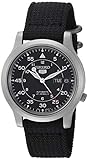
The Seiko 5 SNK809 is the watch I hand to anyone who asks for their first mechanical. It’s a field-style automatic with a 7S26 movement you can see ticking through the caseback, and it costs little. It is, genuinely, the best cheap automatic in the world — small at 37mm, a little rough around the edges, and all the better for it.
2. Citizen — light-powered and unstoppable
Citizen has been making watches since 1918 and quietly became one of the largest movement manufacturers on earth. While Seiko gets the romance, Citizen owns the technology that solved quartz’s biggest annoyance: the dead battery. Eco-Drive watches run on any light and never need a battery change, often for the life of the watch.
The brand is known for tough, set-and-forget tool watches — solar-powered, radio-synced, titanium-cased pieces aimed at people who’d rather not think about their watch at all. It’s engineering-led rather than fashion-led, and the better for it.
The Promaster Diver Eco-Drive is the one I point people to. It’s ISO-rated to 200m, genuinely dive-capable, and the solar movement means it’s always running when you grab it off the dresser. For a worry-free everyday diver, nothing at the price competes with that combination of light power and real water resistance.

3. Casio — the toughest watches you can buy
Casio is the outsider that became essential. The company didn’t come from horology at all — it was an electronics firm — and that shows in the best way. Since 1983, G-Shock has defined what a watch can survive: drops, water, mud, and the kind of treatment that turns a Swiss watch into scrap. G-Shock built its name on being effectively unbreakable.
Beyond toughness, Casio is the master of cheap-and-cheerful function: world time, alarms, solar charging, Bluetooth, often for pocket change.
The GA-2100 — nicknamed the “CasiOak” for its octagonal Royal Oak echo — is the modern G-Shock everyone should own. It’s slim by G-Shock standards, carbon-reinforced, and looks far more expensive than it is. It’s the rare tough watch you can wear with a jacket, which is exactly why it sells out in colourways constantly.

4. Orient — the underrated value champion
Orient is the quiet specialist of the group. Founded in 1950 and now part of the Seiko Epson family, it remains one of the few brands at its price point making fully in-house automatic movements. You’re getting genuine mechanical watchmaking, not a bought-in generic movement, often for under $200.
The brand is known for dress watches and divers that look two or three times their price. Orient doesn’t market heavily, which keeps prices low and makes it a favourite recommendation among enthusiasts who’ve moved past their first Seiko 5.
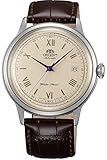
The Bambino Version 2 is the brand’s signature: a domed-crystal dress watch with classic proportions and a clean, vintage-leaning dial. It punches absurdly above its weight as an entry dress watch, the sort of piece that makes people assume you spent far more than you did.
5. Kurono Tokyo — accessible Japanese craft
Kurono Tokyo is the one to know if you want something with soul. It’s the more attainable label from Hajime Asaoka, one of Japan’s most celebrated independent watchmakers, whose bespoke pieces sell for tens of thousands. Kurono brings that design sensibility down to a price mortals can reach.
The brand works in limited drops sold directly online, and they tend to sell out within minutes. These aren’t tool watches — they’re design objects, with carefully proportioned cases and dials that reward a close look. Movements are reliable Japanese automatics rather than in-house, which is how the price stays sane.
The Kurono Tokyo Classic captures the appeal: an understated, beautifully balanced dress watch with a sector-style dial and proportions drawn straight from Asaoka’s design language. It’s the closest most of us will get to owning a piece of Japanese independent watchmaking — and it’s sold through the brand’s own store, not Amazon.
How to choose a Japanese watch brand
The right pick depends on what you actually want the watch to do. Here’s the quick version:
| If you want… | Start with | Why |
|---|---|---|
| Your first mechanical watch | Seiko | Cheap, robust, see-through automatic |
| Zero maintenance | Citizen | Eco-Drive never needs a battery |
| Bombproof daily beater | Casio G-Shock | Survives almost anything, costs little |
| Max value dress watch | Orient | In-house automatic for the money |
| Design and exclusivity | Kurono Tokyo | Independent craft, limited drops |
Frequently asked questions
Are Japanese watches as good as Swiss watches?
For accuracy, durability and value, Japanese watches frequently match or beat Swiss rivals at the same price. Switzerland still dominates the high-luxury, heritage end — but pound for pound, Japan often wins, and Grand Seiko competes directly with the Swiss elite.
Which Japanese brand is best for a first watch?
Seiko, almost every time. The Seiko 5 line gives you a real automatic movement, a display caseback and a near-bulletproof reputation for very little money. Casio’s G-Shock is the alternative if you’d rather have a tough digital tool watch.
Do Eco-Drive and solar watches really never need batteries?
The rechargeable cell that stores the solar charge does eventually wear out — typically after 10 to 20 years — but you’ll never do the routine battery swaps a normal quartz watch needs. For most owners it’s genuinely set-and-forget.
Why is Kurono Tokyo so hard to buy?
Kurono releases watches in small, limited runs sold directly online, and demand far outstrips supply. Drops often sell out in minutes, so you’ll usually need to join the mailing list and be ready the moment a new model goes live. Related reading here: the best selling watch brands and the most expensive watch brands.

Daniel Hart is the editor of Watch The Watch. He researches and writes the site’s buying guides, brand comparisons, and explainers, focused on accessible, enthusiast-level watches — affordable automatics, divers, field and dress watches, everyday quartz, and the straps, winders and tools that go with them. The goal is practical, budget-aware advice that helps readers choose the right watch for their wrist and their budget. Recommendations draw on manufacturer specifications and the wider enthusiast community.

