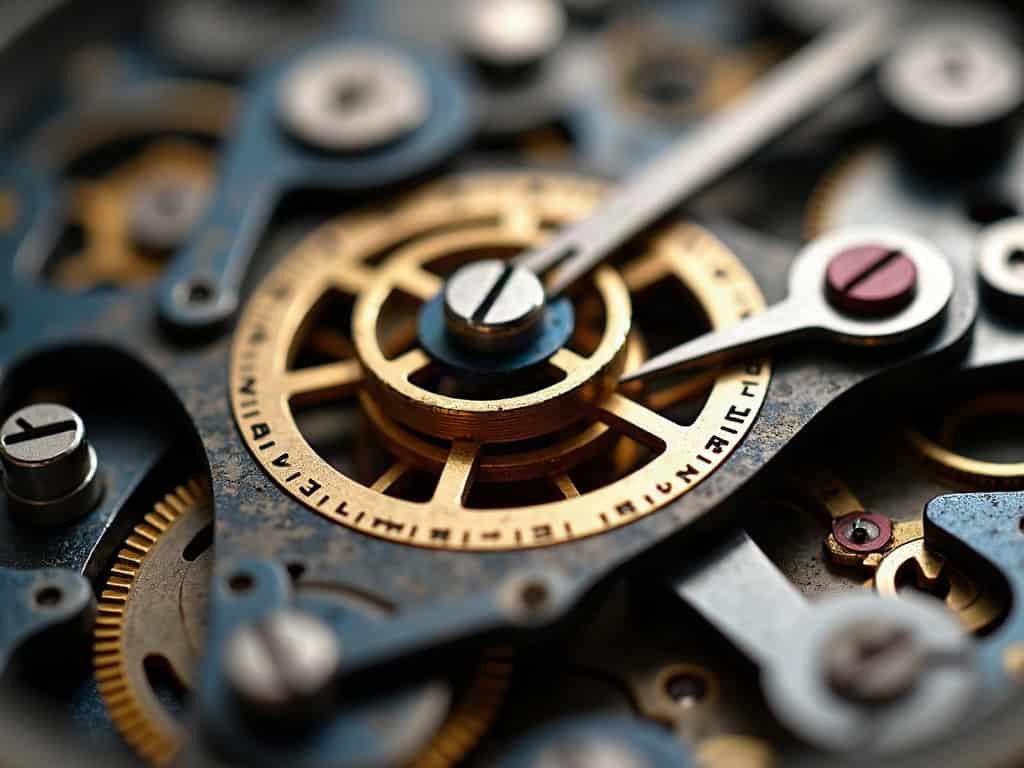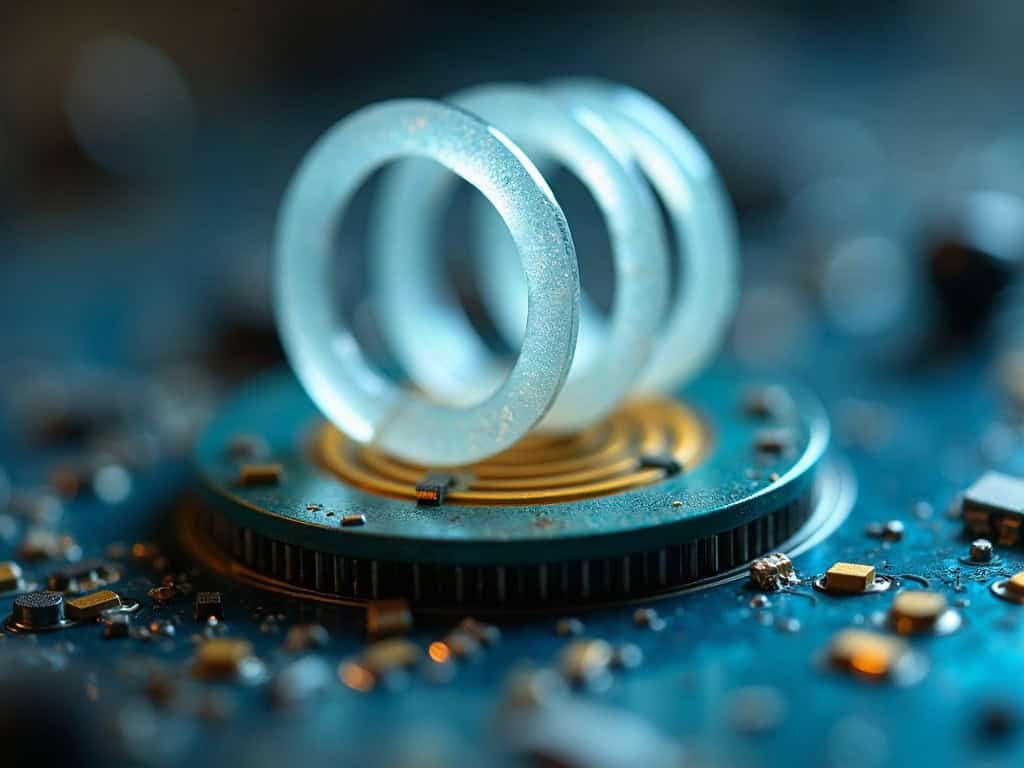
Macro photograph of watch movement components

Powermatic 80 Explained: 80-Hour Reserve, Accuracy and the Silicium Versions

The silicon hairspring is what separates the Silicium versions from the standard ones. Until about a decade ago, a Swiss automatic under a thousand dollars ran for roughly forty hours off the wrist. Take it off on Friday evening and it had stopped by Sunday. The Powermatic 80 doubled that. Eighty hours means a watch […]

Powermatic 80 Explained: 80-Hour Reserve, Accuracy and the Silicium Versions Read More »
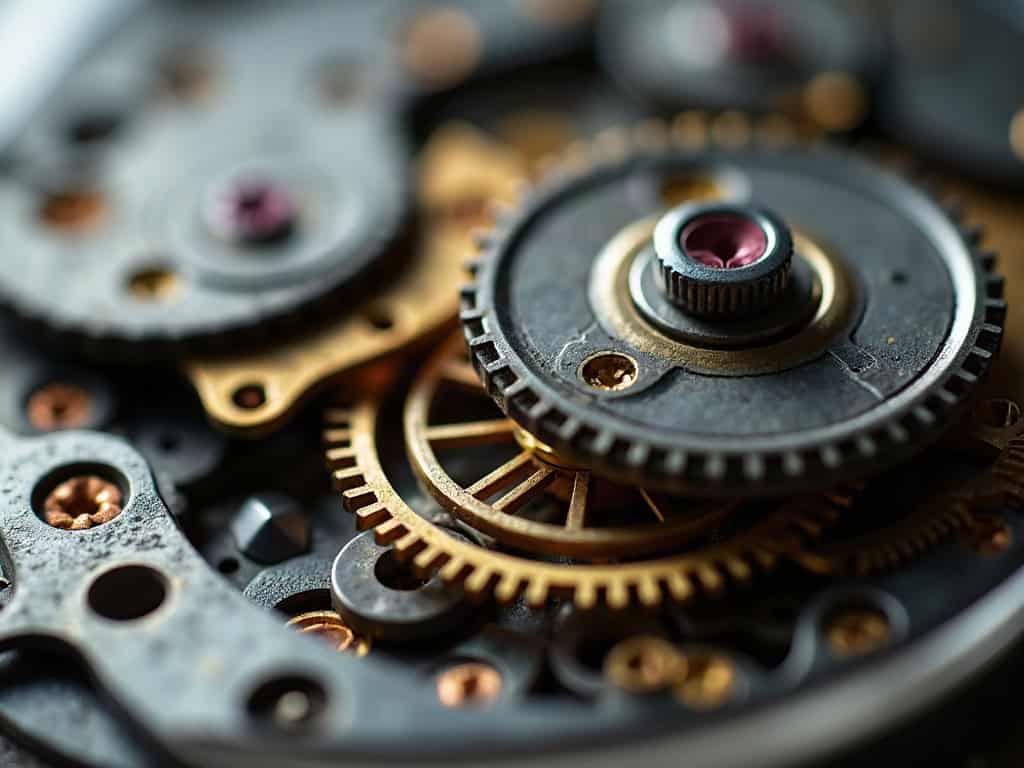
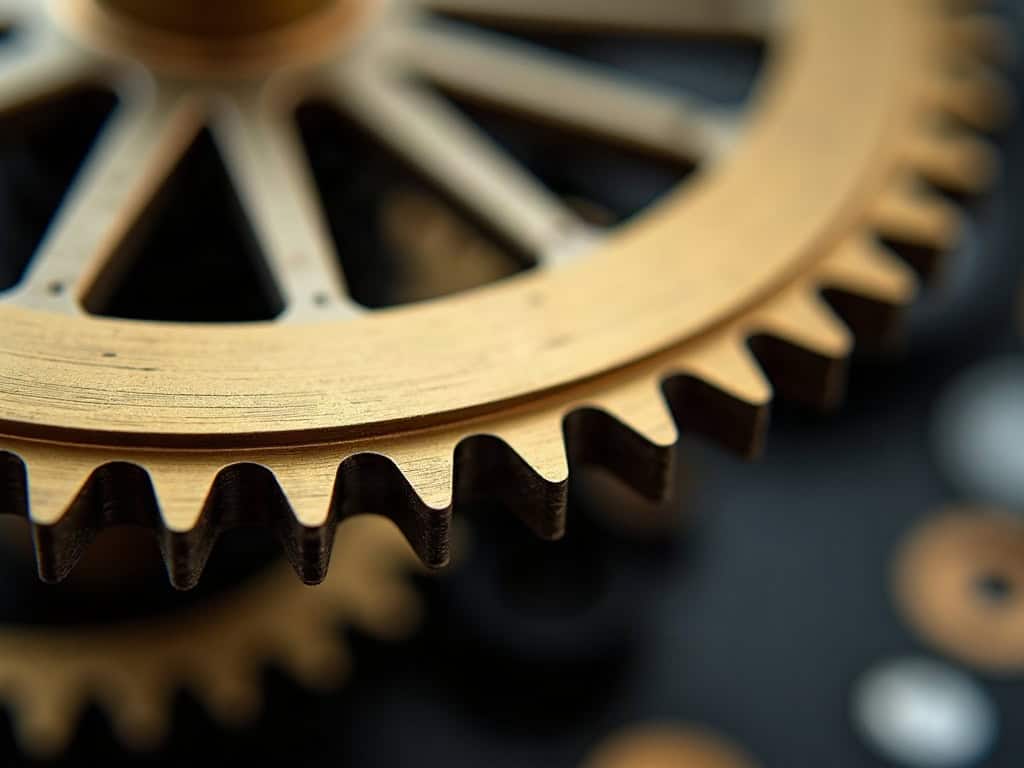
Macro photograph of watch movement components

ETA Valjoux 7750 Explained: Specs, Why Chronographs Are Big and Cam vs Column Wheel

Designed in 1973 and still the default mechanical chronograph. If you own a mechanical chronograph that did not cost as much as a car, you almost certainly own a 7750 or something derived from it. It was designed in 1973, survived the quartz crisis that killed most of its contemporaries, and became the default answer

ETA Valjoux 7750 Explained: Specs, Why Chronographs Are Big and Cam vs Column Wheel Read More »

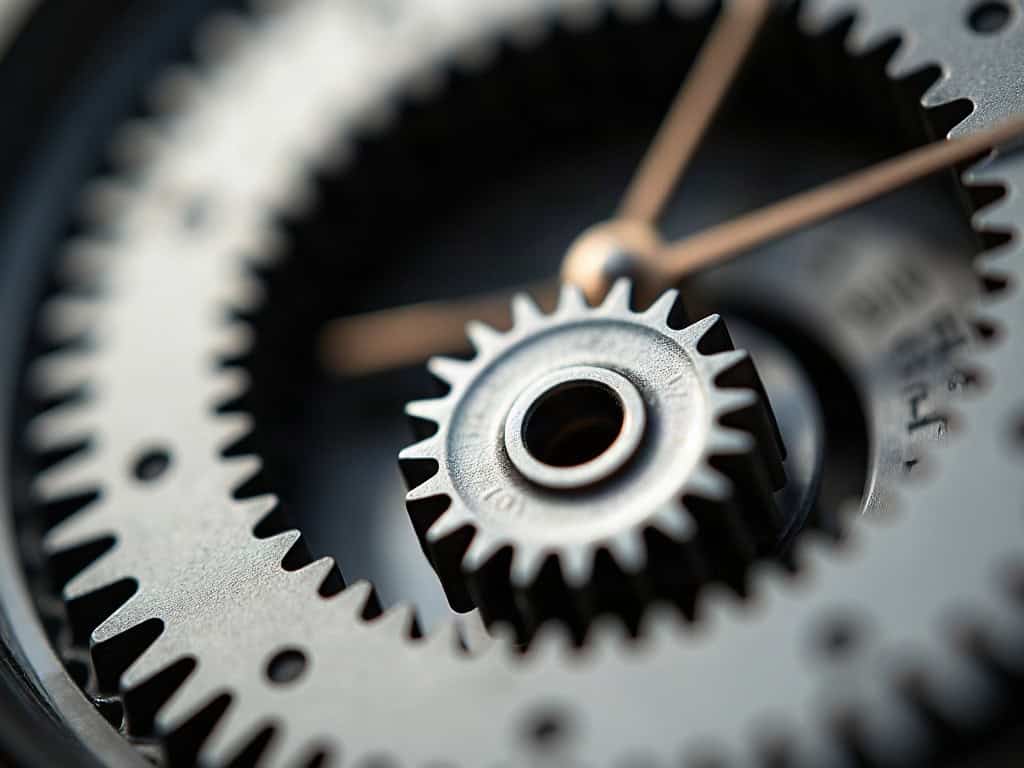
Macro photograph of watch movement components

Sellita SW200-1 Movement Explained: Specs, Accuracy and How It Compares to the ETA 2824

The most common Swiss automatic you have never heard of. Open the caseback of almost any Swiss automatic between five hundred and three thousand dollars and there is a good chance you are looking at a Sellita. The brand rarely appears on the dial. It sells movements to other watch companies, which is why it

Sellita SW200-1 Movement Explained: Specs, Accuracy and How It Compares to the ETA 2824 Read More »

Scroll to Top