Daniel Hart · ·
A luxury watch is one of the few things a woman can buy once and wear for the rest of her life. The right piece outlives every trend, moves easily from a desk to a dinner, and quietly becomes the object she reaches for without thinking.
This guide covers eight watches I would genuinely recommend, from icons that defined women’s watchmaking to one smart, affordable starter. Most of these are serious investments, and I have tried to be honest about who each suits and where each falls short.
My picks lean on three things: design that has aged well, a movement worth the asking price, and heritage you can trust. No filler, just watches I would put on a friend’s wrist.
Our top picks at a glance
The standouts from this guide — prices change, so tap through for the current price.
As an Amazon Associate, Watch The Watch earns from qualifying purchases at no extra cost to you. Some links go to other retailers. See our affiliate disclosure.
1. Cartier Tank Must (Small) — The everyday icon
If you only ever own one luxury watch, the Tank is the safest possible choice. The case has barely changed since 1917, and that rectangular silhouette still looks completely modern on a slim wrist. It reads as quietly expensive without shouting a logo.
The “Must” line is Cartier’s entry door, and the small size sits beautifully under a cuff. It is dressy first and casual second, and most versions run quartz, which keeps the price sensible and maintenance near zero. The trade-off: purists will want mechanical, and the leather strap needs replacing every few years.
2. Cartier Panthere de Cartier (Small) — Jewellery you can read time on
The Panthere blurs the line between watch and bracelet, and that is the point. The soft, articulated links drape like a chain, so it wears more like fine jewellery than a timepiece. It went from 1980s status symbol to genuine modern cult favourite.
This is for the woman who wants sparkle and presence rather than horological depth. The comfort on the wrist is the quiet selling point few expect until they try it on. The trade-off is practicality: those links can catch hair, and like the Tank it is quartz, not a mechanical showpiece.
3. Rolex Lady-Datejust 28 — The status benchmark
The Lady-Datejust is the watch most women picture when they picture a Rolex. At 28mm it is properly proportioned for smaller wrists, and the build quality is in a different league from anything quartz. This is the milestone-gift, finally-treated-myself watch.
You are paying for a self-winding chronometer movement and a brand that holds value better than almost any other. Resale strength is a real part of the Rolex argument, even if you never sell. The honest catch: popular configurations carry waitlists and grey-market premiums, and gold or diamond versions climb fast.
4. Omega Constellation 28mm — Mechanical class, better value
The Constellation is the watch I point people to when they want Rolex-level engineering with more value left on the table. The “Manhattan” case with its four claws is instantly recognisable, and the finishing genuinely punches above its price.
Many references use Omega’s Co-Axial movement with a long service interval and strong anti-magnetism, which is real, usable technology. It feels like a connoisseur’s choice rather than a default. The trade-off is name recognition: outside watch circles, Omega does not carry quite the crown’s instant prestige, and resale is a step behind.
5. Jaeger-LeCoultre Reverso One — The collector’s secret
The Reverso is the connoisseur’s pick here, and the One is its elegant feminine form. The case flips fully over on its cradle, a design born in the 1930s to protect the crystal during polo. That swivelling case is one of the great pieces of watch design, full stop.
The elongated Art Deco shape flatters the wrist, and the blank reverse can be engraved, making it a deeply personal heirloom. This is for the woman who wants to know, not to be seen to know. The honest note: it is the quietest watch here, and some One models are quartz rather than mechanical.
6. Chanel J12 33mm — Modern design statement
The J12 proved a fashion house could make a serious watch. The high-tech ceramic case is scratch-resistant, keeps its colour, and feels unlike anything else on the wrist, warming quickly and never tarnishing. In glossy black or white it is unmistakably contemporary.
The 33mm size suits those who want presence without a heavy sports watch, and newer versions moved to mechanical movements. This is the most design-forward pick on the list. The trade-off: ceramic is hard but brittle, so a sharp knock can chip rather than scratch it, and it is the most polarising look here.
7. Longines DolceVita — Affordable elegance
The DolceVita is the most accessible Swiss luxury name on this list, and it delivers real refinement for the money. The rectangular case nods to the same Art Deco lineage as the Tank, and the finishing belies the relatively gentle price.
It is an ideal first proper Swiss watch for someone who does not want to spend Cartier money. You get genuine Swiss craftsmanship without the boutique-waitlist drama. The trade-off: it lacks the status weight and resale strength of the icons above, which hardly matters in a watch to enjoy rather than flip.
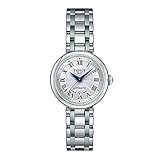
8. Tissot Bellissima — The smart starter
Not everyone is ready to spend four or five figures, and the Bellissima is the watch I recommend to start honestly. It gives you Swiss-made quality, a slim dress profile, and a price that does not require a special occasion. It is the best value entry point in this guide.
The design is deliberately classic, with a clean dial and gold-tone or steel finishes that read far more expensive than they cost. This is the gift-or-treat watch that punches well above its weight. The trade-off is obvious: it lacks the heritage cachet and resale value of the icons, but as a first real watch it is hard to beat.
How to choose a luxury watch for women
Status, everyday wearability, mechanical craft and resale rarely all come in one piece. Decide which two matter most to you and let the rest follow.
| If you prioritise… | Look at… |
|---|---|
| One do-everything icon | Cartier Tank Must |
| Status and resale value | Rolex Lady-Datejust 28 |
| Mechanical craft for the money | Omega Constellation |
| Quiet collector’s taste | Jaeger-LeCoultre Reverso One |
| Best value entry point | Tissot Bellissima |
Frequently asked questions
Is a luxury watch a good investment?
A few are, most are not. Steel sports Rolex and certain icons can hold or grow in value, but the honest way to buy is for enjoyment first. Treat any resale upside as a bonus, not the plan.
What size watch suits a woman’s wrist?
Roughly 28 to 33mm flatters most wrists for a dress or everyday watch, though plenty of women happily wear larger. It depends on wrist width and taste more than rules, so always try it on.
Quartz or mechanical, which is better?
Neither universally. Quartz is accurate, low-maintenance and cheaper, which is why Cartier uses it on many pieces. Mechanical movements offer craftsmanship and soul, and command higher prices and service costs.
Should I buy from the boutique or grey market?
For warranty, authenticity and access to current models, the brand boutique is the safe route, and it is where most picks here link. The grey market can save money on hard-to-get references, but only with a trusted, reputable dealer. If this raised further questions, the most expensive watch brands and whether a Rolex holds its value pick them up.

Daniel Hart is the editor of Watch The Watch. He researches and writes the site’s buying guides, brand comparisons, and explainers, focused on accessible, enthusiast-level watches — affordable automatics, divers, field and dress watches, everyday quartz, and the straps, winders and tools that go with them. The goal is practical, budget-aware advice that helps readers choose the right watch for their wrist and their budget. Recommendations draw on manufacturer specifications and the wider enthusiast community.