
Daniel Hart · ·
It is one of the most common questions in watch collecting, and the honest answer frustrates anyone hoping for a simple yes or no. Seiko makes a $100 mechanical watch you can buy on a whim, and it makes hand-finished pieces that cost as much as a used car. So is Seiko a luxury brand?
The short version: Seiko itself is not a luxury brand in the Rolex or Omega sense. It is a value-to-premium maker that happens to produce some genuinely upscale watches. The actual luxury sits in its sister brand, Grand Seiko, which now operates as a separate marque.
Once you understand how Seiko is structured, the confusion clears up fast. Let me walk you through it.
The short answer
No, Seiko is not a luxury brand, and it has never positioned itself as one. It is a mass-market and premium watchmaker whose whole reputation is built on offering more watch than you paid for. Its top Prospex and Presage models reach into four figures and feel genuinely special, but they compete on value, not prestige. If you want the luxury tier from the same company, you are looking for Grand Seiko, which Seiko deliberately spun off precisely because the parent name carries a value-brand image.
Seiko: background & heritage
Seiko is a Japanese company founded in 1881 by Kintaro Hattori, originally as a watch and clock shop in Tokyo. It is one of the most important names in horological history, and that is not marketing fluff. In 1969 Seiko released the Astron, the world’s first commercially produced quartz wristwatch, an invention that reshaped the entire industry and very nearly wiped out the Swiss mechanical trade.
That heritage matters because Seiko is genuinely a manufacture. It makes its own movements, its own hairsprings, even grows its own quartz crystals and produces its own Spron alloys. Very few brands at any price are this vertically integrated, and almost none at Seiko’s price points.
The company today is broad. It spans cheap quartz fashion pieces, the beloved Seiko 5 line, the Prospex dive and sport range, the dressy Presage collection, and historically the high-end mechanical work that eventually became Grand Seiko. What Seiko is known for, above all, is reliability and value: watches that punch dramatically above their price.
Quality, movements & value
Seiko’s movements come in clear tiers. At the bottom are workhorse automatics like the 7S26 and the newer 4R36, which are robust and forgiving but run loose on accuracy and often cannot be hand-wound or hacked in their oldest versions. Step up to the 6R series and you get hacking, hand-winding, and better tolerances. At the top sit the 8L and Spring Drive-adjacent calibres that share DNA with Grand Seiko.
Here is the honest part. Seiko’s value is extraordinary, but it is not flawless. Quality control can be inconsistent: misaligned chapter rings, off-center dials, and slightly crooked bezel inserts show up often enough to be a known quirk, even on watches over $1,000. The entry automatics also keep mediocre time by Swiss-chronometer standards. None of this is hidden; the enthusiast community talks about it openly, and most owners shrug it off because the price-to-performance ratio is still outstanding.
On positioning, Seiko runs from roughly entry-level pocket-money pricing up into the low four figures for its best Presage and Prospex pieces. That premium tier feels properly upscale, with enamel and porcelain dials, Zaratsu-style polishing, and box-quality finishing. But premium and luxury are not the same thing, and Seiko knows it, which is the whole reason Grand Seiko exists as its own brand.
Who Seiko is for
- First-time mechanical buyers who want a real automatic without spending much.
- Value hunters who care about what is on their wrist, not the logo’s status.
- Tool-watch fans who want a genuinely capable diver (the Prospex line is a benchmark).
- Collectors building variety, since Seiko lets you own many distinct watches for the price of one Swiss piece.
- Not for buyers whose main goal is prestige, resale flexing, or a status logo. That is not what Seiko sells.
Two Seiko watches worth knowing
The Seiko Presage Cocktail Time is the watch I point people to when they say Seiko cannot do elegant. Its sunburst dial catches light beautifully, the case finishing is a step above its price, and it wears like a watch that should cost far more. It is the clearest proof that Seiko’s premium tier is the real deal, even if it is still value-led rather than luxury.
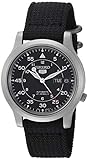
The Seiko 5 SNK809 sits at the opposite end and is arguably the most recommended beginner mechanical watch ever made. It is small, runs the basic 7S26 automatic, has a display caseback, and costs almost nothing. It will not win any accuracy awards, but as a first taste of mechanical watchmaking it is hard to beat.
Frequently asked questions
Is Seiko a luxury brand?
Not in the traditional sense. Seiko is a value-to-premium watchmaker. Its top models feel upscale, but the brand competes on value rather than prestige. The luxury tier of the company is its separate sister brand, Grand Seiko.
What is the difference between Seiko and Grand Seiko?
Grand Seiko is the standalone luxury arm, now branded separately. It offers higher-grade movements (including Spring Drive), near-flawless hand finishing, and prices that sit alongside Swiss luxury. Regular Seiko is the broad, value-focused brand that everyone knows.
How much do Seiko watches cost, and which tier is luxury?
Seiko spans from very affordable entry pieces up to the low four figures for its best Presage and Prospex models. None of that is truly luxury pricing. If you want luxury-tier money and finishing from the family, you cross over into Grand Seiko.
Are Seiko watches good quality?
Yes, with caveats. The movements are durable and the value is exceptional, but quality control can be inconsistent, and the entry-level automatics are not chronometer-accurate. For the money, very few brands match what Seiko delivers. If this raised further questions, the Seiko NH35 movement and the best Seiko watches by budget pick them up.

Daniel Hart is the editor of Watch The Watch. He researches and writes the site’s buying guides, brand comparisons, and explainers, focused on accessible, enthusiast-level watches — affordable automatics, divers, field and dress watches, everyday quartz, and the straps, winders and tools that go with them. The goal is practical, budget-aware advice that helps readers choose the right watch for their wrist and their budget. Recommendations draw on manufacturer specifications and the wider enthusiast community.
