Daniel Hart · ·
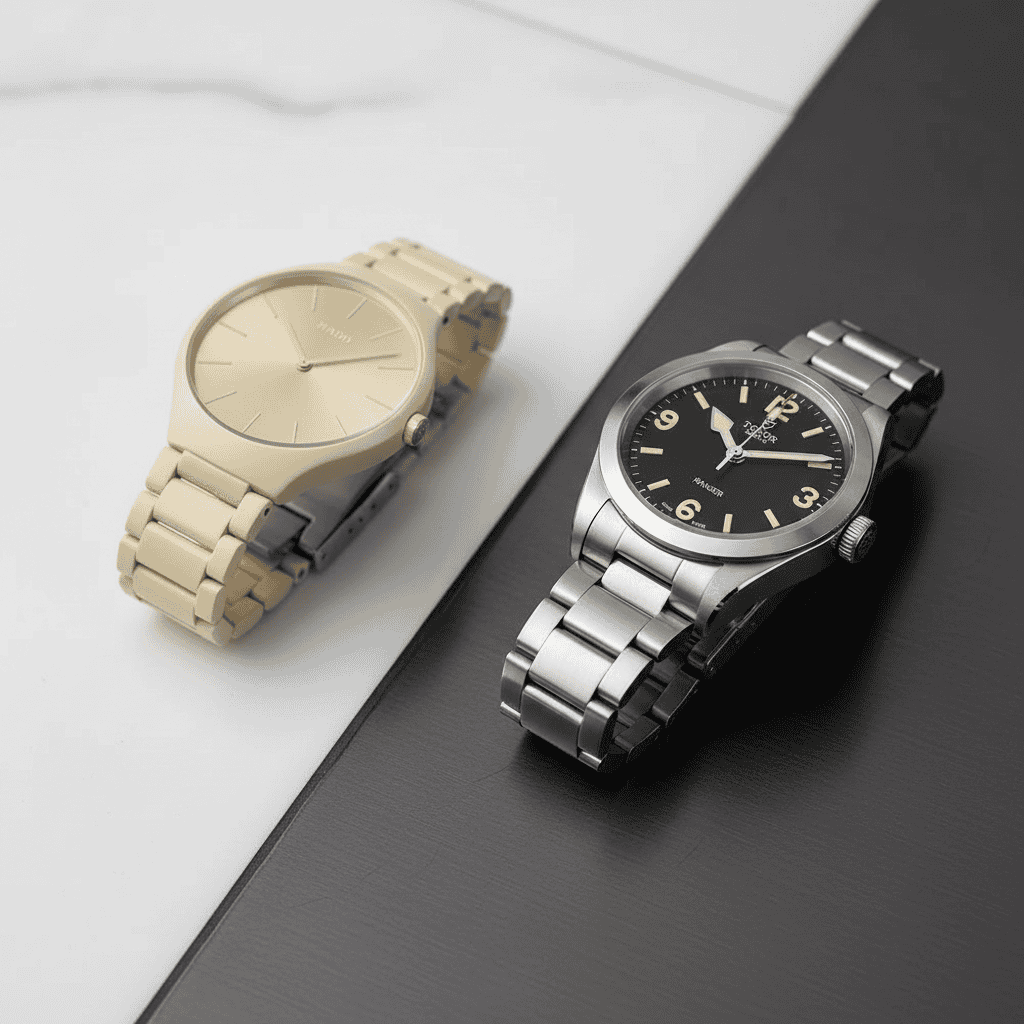
This pair separates two things buyers usually assume go together: how good a watch is and how good it looks after five years.
Tudor wins the first comfortably, with a COSC-certified manufacture calibre. Rado wins the second by a margin nothing else at this price can match, because high-tech ceramic is up to five times harder than steel.
There is no overlap in what they are actually selling, which makes the choice unusually clean.
The short answer
Mechanics against materials
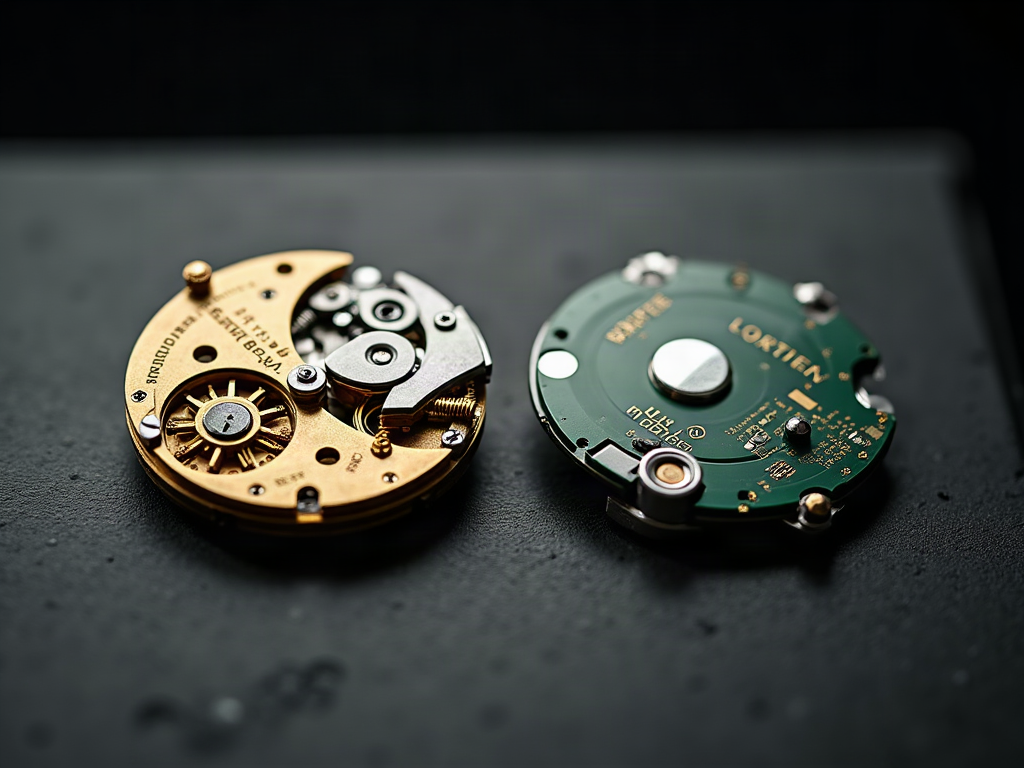
Tudor’s calibres are made by Kenissi, a movement company Tudor part-owns, and are COSC certified with silicon balance springs. The company documents this on its manufacture movement page.
Rado draws movements from Swatch Group’s industrial base and spends its differentiation budget on ceramic instead. Its own Art of Ceramic pages put the material at about 1250 HV on the Vickers scale, up to five times harder than stainless steel and around thirty percent lighter.
Fuller takes are in the Rado guide and the Tudor guide.

Head to head
Both fit sapphire crystal, so the glass is a wash. The difference is everything around it.
A steel Tudor picks up hairlines within weeks of daily wear, which is normal and can be polished. A ceramic Rado does not, and the colour is blended into the material rather than plated, so there is nothing to wear through.
The trade-off is honest: ceramic is hard but brittle, so it chips where steel dents. A chipped ceramic component is a replacement rather than a polish, which makes an authorised dealer matter more here.
| Rado True Thinline | Tudor Ranger | |
|---|---|---|
| Group | Swatch Group | Hans Wilsdorf Foundation |
| Case material | High-tech ceramic, about 1250 HV | Stainless steel |
| Movement | Quartz on this reference | Manufacture calibre, COSC |
| Power reserve | Not applicable | About 70 hours |
| Warranty | Check reference | 5 years |
| Price | About $2,400 | About $3,950 |
The comparison that is not fair to either
Putting a quartz Rado against a mechanical Tudor flatters neither, and it is worth being explicit about it. If mechanics are the criterion, the True Thinline is not competing at all.
Rado’s own automatics close that gap. The Captain Cook at around $1,980 is a proper Swiss automatic with sapphire, and it undercuts the Tudor entry point substantially while still carrying the brand’s material expertise in other lines.
The clean way to frame it is this: Tudor sells a movement you will keep, Rado sells a surface you will keep. Both are durable claims, just about different parts of the watch.
Which to buy
Tudor if you are buying a mechanical watch to own for a decade and the finishing and resale matter. It is the more complete watch by any traditional measure.
Rado if you are hard on watches, dislike seeing them age, or want something that reads as design rather than horology. The material advantage is real and measurable rather than marketing.
Buy from an authorised dealer either way, and with Rado especially, because ceramic replacements flow through authorised service channels.
The three to consider
The material showcase, the Rado that competes on mechanics, and the Tudor entry. Confirm the seller is authorised.


As an Amazon Associate, Watch The Watch earns from qualifying purchases at no extra cost to you. See our affiliate disclosure. Our white ceramic guide covers the material argument in detail, and our Rolex pricing explainer covers the family Tudor answers to.
Frequently asked questions
Is Rado ceramic really harder than steel?
Yes. Rado states about 1250 HV on the Vickers scale, up to five times harder than stainless steel and roughly ten times harder than 18k gold. The trade-off is brittleness.
Which is the better watch, Rado or Tudor?
Tudor, by traditional measures: a COSC-certified manufacture movement, better finishing and stronger resale. Rado wins decisively on keeping its finish over years of wear.
Are Rado watches automatic?
Some are. The Captain Cook and Centrix lines are automatic while several True models are quartz, so check the reference if mechanics matter to you.
Does ceramic break easily?
It resists scratching far better than steel and tolerates sharp impact worse. Dropping a ceramic bracelet on tile risks a chip, which is a replacement rather than a polish.
Which holds value better?
Tudor, clearly. It has the deeper secondary market and the stronger brand recognition among watch buyers.
The verdict
One of these has the better movement and the other will look better in five years, and there is no watch here that does both.
Tudor sells a movement you keep, Rado sells a surface you keep. Decide which part of a watch you actually look at.

Daniel Hart is the editor of Watch The Watch. He researches and writes the site’s buying guides, brand comparisons, and explainers, focused on accessible, enthusiast-level watches — affordable automatics, divers, field and dress watches, everyday quartz, and the straps, winders and tools that go with them. The goal is practical, budget-aware advice that helps readers choose the right watch for their wrist and their budget. Recommendations draw on manufacturer specifications and the wider enthusiast community.