
Daniel Hart · ·
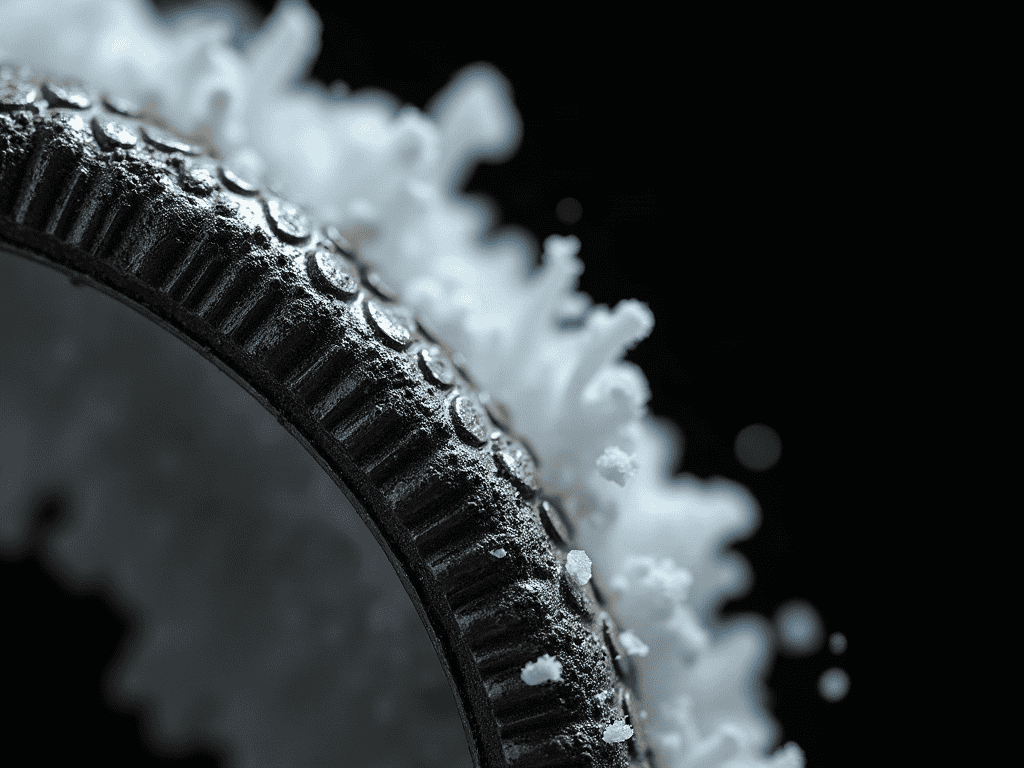
A dive bezel that has gone stiff, gritty or completely solid is one of the most common watch complaints and one of the easiest to fix at home.
It is almost never a broken part. It is almost always dried salt, sand or skin residue packed into the mechanism underneath.
Here is the fix, and the one thing not to do.
The short answer
Why it happens
A rotating bezel sits on a click spring, a ring with teeth that produces the familiar ratchet. That spring lives in a narrow channel that is open enough for water to leave and open enough for grit to enter.
Sea water is the usual culprit and the mechanism is not what fails, the residue is. As salt water dries it leaves crystals, and crystals in a channel designed for a spring behave exactly as you would expect.
Sand, sunscreen and skin oil do the same thing more slowly. Our bezel guide covers what the part is actually for, and the Federation of the Swiss Watch Industry sets out how case sealing is tested on its water resistance page.
The fix, in about two minutes
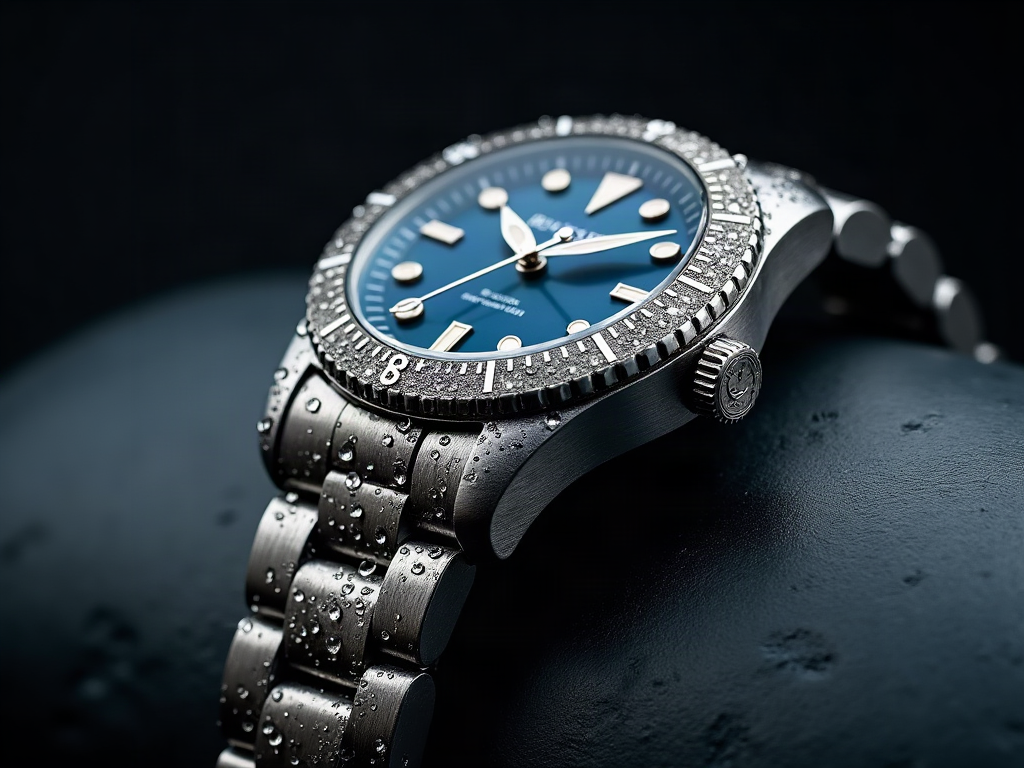
Check the crown is closed first. Then hold the watch under warm running fresh water and turn the bezel back and forth continuously while the water runs over it.
Keep going for a minute or two rather than a few seconds. The debris has to travel out of a narrow channel, and it will not do that in three turns. A soft toothbrush around the bezel edge helps.
Dry it thoroughly afterwards and leave it somewhere warm for an hour, since water sits under a bezel long after the case looks dry.
| Do | Do not |
|---|---|
| Check the crown is closed first | Work on it with the crown out |
| Warm fresh water, turning continuously | Force it with pliers or a cloth for grip |
| Use a soft toothbrush on the edge | Lever the bezel off yourself |
| Give it a minute or two, not seconds | Apply oil or lubricant of any kind |
| Rinse after every sea swim | Assume it is broken and stop wearing it |
What not to do
Do not lever the bezel off. It is held by a tension ring and prising it up bends the ring, marks the case and turns a two-minute rinse into a workshop job.
Do not oil it. Oil attracts and holds exactly the grit you are trying to remove, and it will make the problem permanent rather than solving it.
Do not force it with extra grip. If turning it needs more than firm finger pressure, something is jammed, and forcing it will damage the click spring rather than clear the obstruction.
Preventing the next one
Rinse the watch in fresh water the same day after any contact with the sea, and turn the bezel a few times under the tap while you do it. That single habit prevents nearly all of these.
The danger is not the swim, it is letting salt water dry in place. Our dive watch guide covers the rest of what the category requires, and our dive watch checker will tell you what your watch actually meets.
If it has been sticking for months and water does not shift it, it is a workshop job and a small one. Our water resistance checker is worth a look before you take a stiff-bezel watch back in the sea.
Frequently asked questions
Why is my watch bezel stuck?
Almost always dried salt, sand or skin residue packed into the click spring underneath. The mechanism itself very rarely fails.
How do I unstick a dive bezel?
Check the crown is closed, then hold the watch under warm running fresh water and turn the bezel back and forth continuously for a minute or two. A soft toothbrush on the edge helps.
Can I use oil on a stiff bezel?
No. Oil attracts and holds the grit you are trying to remove, and it will turn a temporary problem into a permanent one.
Can I take the bezel off myself?
Better not. It is held by a tension ring, and levering it up bends the ring and marks the case. A watchmaker lifts it properly in minutes.
How do I stop it happening again?
Rinse the watch in fresh water the same day after any sea swim, turning the bezel a few times under the tap. Letting salt water dry in place is what causes it.
The verdict
A stuck bezel sounds like a fault and is nearly always housekeeping, which makes it one of the few watch problems you can genuinely fix at the kitchen sink.
Warm water, keep turning, give it two minutes. If that fails it is a small workshop job, and forcing it is what turns it into a large one.

Daniel Hart is the editor of Watch The Watch. He researches and writes the site’s buying guides, brand comparisons, and explainers, focused on accessible, enthusiast-level watches — affordable automatics, divers, field and dress watches, everyday quartz, and the straps, winders and tools that go with them. The goal is practical, budget-aware advice that helps readers choose the right watch for their wrist and their budget. Recommendations draw on manufacturer specifications and the wider enthusiast community.
