
Daniel Hart · ·
If you want a genuine mechanical watch that punches massively above its price, the short version is yes. Orient makes some of the best-value automatic watches you can buy, and they do it the hard way: with movements they design and build themselves.
That last point matters more than most buyers realise. Plenty of affordable “automatic” watches use generic third-party movements bought off a shelf. Orient doesn’t. They run their own movement factory, which is rare at this price and a big part of why enthusiasts keep recommending them.
So the watches are honest, mechanically interesting, and cheap relative to what’s inside. They’re not flawless, and I’ll be candid about where they cut corners. But as a first “real” mechanical watch or a reliable daily beater, Orient is one of the easiest brands I recommend.
The short answer
Orient watches are very good value and genuinely well built for the money. They’re owned by Seiko, manufacture their own in-house automatic movements, and offer mechanical watches at prices that often undercut rivals using bought-in calibres. The trade-offs are modest accuracy specs and no hand-winding or hacking on some older movements. For the price, the package is hard to beat.
Orient: background & heritage
Orient is a Japanese watchmaker with roots going back to 1950, though its predecessor business started making watches earlier in the 1900s. It spent decades as one of Japan’s “big three” alongside Seiko and Citizen, building a reputation for affordable, dependable mechanical watches.
Today Orient is part of the Seiko Epson group, which means it sits inside one of the most capable watchmaking organisations in the world. Importantly, Orient kept its own identity and its own movement production rather than being absorbed and rebadged. Being Seiko-owned brings manufacturing muscle without turning Orient into a Seiko clone.
What they’re known for is simple: mechanical watches that ordinary people can actually afford. Dress watches, divers, and field-style pieces dominate the catalogue, and the brand leans hard into the value-for-money story rather than chasing prestige.
Quality, movements & value
The headline is the in-house automatic movements. Orient designs and builds its own calibres, which is unusual at this price point. The newer workhorse movements (the F69-series and similar) added the two features the brand was historically criticised for missing: hand-winding and hacking seconds, so you can wind it manually and stop the seconds hand to set the time precisely.
Build quality is solid and consistent. Cases are well finished for the money, bracelets and clasps are decent, and the watches feel like they cost more than they do. The dials in particular often look a tier above the price, with sunburst finishes and applied markers that flatter the wrist.
Now the honest part. Orient’s accuracy specs are modest, typically rated around -15 to +25 seconds per day, which is wider than a chronometer. In practice many examples run better than that, but you’re not buying precision-grade timekeeping. Quality control can vary slightly unit to unit, and the lume is usually adequate rather than excellent. None of this is a dealbreaker at the price, but you should buy knowing it. You’re paying for a real mechanical watch, not for tight tolerances.
Who Orient is for
- First-time buyers who want a true automatic without spending a lot
- Enthusiasts who appreciate in-house movements on a budget
- Anyone wanting an affordable dress watch or a robust everyday diver
- People who value mechanical character over chronometer-grade accuracy
If you need guaranteed precision or you’re chasing a luxury badge, look elsewhere. For almost everyone else getting into mechanical watches, Orient is an ideal starting point.
Two Orient watches worth knowing
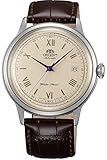
The Orient Bambino Version 2 is the watch that made the brand famous online, and for good reason. It’s a classic domed-crystal dress watch with a clean dial, slim profile, and a price that makes it an absurdly easy recommendation for a first proper dress watch. The curved crystal and applied markers give it a vintage charm that looks far more expensive than it is. It’s not a precision instrument, but as an affordable, elegant automatic it’s tough to fault.
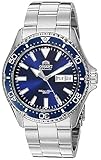
The Orient Kamasu is the other side of the brand: a capable, no-nonsense dive-style watch. It brings 200m water resistance, a sapphire crystal, and a strong lume application, which is a genuinely generous spec sheet for the money. The Kamasu is a watch you can wear daily, knock around, and not worry about. If the Bambino shows Orient can do dressy, the Kamasu shows they can do tough.
Frequently asked questions
Are Orient watches good?
Yes. They offer in-house automatic movements, solid build quality, and attractive design at prices well below most competitors. The trade-off is wider accuracy tolerances, but for value-focused mechanical watches Orient is excellent.
Are Orient watches luxury or expensive?
No, and that’s the appeal. Orient sits firmly in the affordable-to-mid range, not luxury. Most popular models cost a fraction of Swiss alternatives, which is exactly why they’re recommended as entry-level automatics. Their upmarket sub-brand, Orient Star, climbs higher but still undercuts comparable rivals.
Is Orient owned by Seiko?
Yes. Orient is part of the Seiko Epson group. It keeps its own brand identity and continues to make its own movements, so it benefits from Seiko’s manufacturing scale without simply becoming a rebadged Seiko.
Do Orient watches hold their value?
Generally no better than most affordable watches, since they sell at low prices new and aren’t bought as investments. You buy an Orient to wear and enjoy, not to flip. The upside is the low entry cost means depreciation hurts far less than with pricier brands. If you want the wider context, how the fashion-watch tier is built and the best selling watch brands are the natural next reads.

Daniel Hart is the editor of Watch The Watch. He researches and writes the site’s buying guides, brand comparisons, and explainers, focused on accessible, enthusiast-level watches — affordable automatics, divers, field and dress watches, everyday quartz, and the straps, winders and tools that go with them. The goal is practical, budget-aware advice that helps readers choose the right watch for their wrist and their budget. Recommendations draw on manufacturer specifications and the wider enthusiast community.
