Daniel Hart · ·
Brick Watch Company is one of those microbrands that wears its personality on its sleeve. The name alone tips you off: these are watches built with a sense of play, a willingness to be characterful rather than chase a generic Submariner-or-Speedmaster homage. For buyers tired of the same five dial layouts recycled across the affordable space, that alone earns a second look.
But charm is not a spec sheet. A microbrand lives or dies on how it balances design ambition against the realities of a small-batch budget, and the honest way to assess Brick is to separate what the brand promises from what you can reasonably expect to receive on your wrist. Movement tier, case finishing, and after-sale support all matter more than the marketing.
This review looks at Brick Watch Company the way a seasoned microbrand buyer would. I have not strapped one to my wrist for six months, so I will not pretend to long-term wear data. Instead, I will assess the proposition, the likely build, and where your money is going relative to the alternatives.
Quick verdict
Brick Watch Company is a fun, design-led microbrand that rewards buyers who value character and a direct-from-maker relationship over brand prestige or in-house movements. Expect a reliable, off-the-shelf automatic or quartz movement, decent-for-the-price finishing, and a watch with genuine personality. It is a sensible pick if you buy with realistic microbrand expectations and check the current spec and warranty on the brand store before ordering.
Specifications
| Spec | Detail |
|---|---|
| Brand type | Independent microbrand (direct-to-consumer) |
| Case material | ~316L stainless steel (typical for tier) |
| Case diameter | ~38-42 mm (style dependent) |
| Crystal | ~Sapphire or mineral (varies by model) |
| Movement | ~Japanese or Chinese automatic / quartz (off-the-shelf) |
| Water resistance | ~30-100 m (check per model) |
| Strap | Leather, nylon, or steel (model dependent) |
| Warranty | ~Brand-provided; confirm on store |
| Sold via | Brand store (direct) |
Specifications vary by model and production run. Always confirm the exact spec on the current product page before buying.
Design and build
Design is Brick’s headline act. The appeal here is a watch that does not look like everything else at the price. Whether that means unexpected dial colours, playful typography, distinctive case shaping, or a theme that gives the piece a story, Brick leans into identity rather than safe homage. If you want a watch that starts conversations, that is the draw.
At this tier, build quality is about meeting expectations honestly, not punching above weight. For an affordable microbrand, you should reasonably expect a stainless steel case, a competent dial print, and applied or printed indices that are clean under normal light. Sapphire crystal is the spec to look for and confirm; some affordable pieces ship with mineral or hardened mineral, which is fine but worth knowing.
The realistic caveat: finishing at this price is good, not luxury. Edges, lume application, and bracelet end-link fit are the usual places where small budgets show. None of that is a dealbreaker for a characterful daily wearer, but go in expecting microbrand finishing rather than the obsessive polish of a four-figure watch.
Movement and accuracy
Like nearly all affordable microbrands, Brick almost certainly uses off-the-shelf movements rather than anything in-house. That is not a criticism; it is the correct, sensible choice at this price. Expect either a Japanese automatic (Seiko/TMI or Miyota families are the common picks), a reliable Chinese automatic, or a quartz movement depending on the model.
These movements are a known quantity, and that is a good thing. A Miyota or Seiko-family automatic will typically run within a few seconds to perhaps 20-30 seconds per day, which is normal for the category. Quartz versions will be far more accurate and lower maintenance. Either way, parts and servicing are widely available, so you are not locked into a proprietary ecosystem.
What you are not getting is chronometer-grade precision or an exotic caliber, and you should not pay as if you were. The value proposition rests on a proven movement in a distinctive package. Confirm the exact caliber on the product page so you know whether you are buying automatic or quartz, and price your expectations accordingly.
On the wrist
Without long-term wear testing I will be candid about what I can and cannot say. I have not lived with this watch for months, so I will not invent comfort claims or a scratched-bezel anecdote. What I can assess is fit logic from the likely specs.
A case in the ~38-42 mm range suits most wrists, and a moderate lug-to-lug is what makes or breaks comfort more than diameter alone. If you have a smaller wrist, check the lug-to-lug figure on the store before committing, since microbrands occasionally pair a modest diameter with long lugs.
Strap choice will shape the everyday experience. Leather and nylon options keep weight down and are easy to swap; a steel bracelet adds presence but is where budget finishing is most visible. The good news is that a character watch like this is a natural candidate for aftermarket straps, so you can tailor the wearing feel cheaply.
Pros and cons
- Genuine design personality, not another generic homage
- Direct-from-brand buying and a closer maker relationship
- Likely proven off-the-shelf movement, easy to service
- Strong character-per-dollar for the affordable tier
- Strap-swap friendly for personalisation
- Finishing is good for the price, not luxury-grade
- No in-house movement or chronometer accuracy
- Specs vary by model and run, so verification is on you
- Smaller brand means thinner resale and service network
- Limited independent long-term reliability data
Alternatives to consider
If Brick’s personality appeals but you want to compare, look at other design-led microbrands in the same orbit. Baltany and San Martin offer strong build-and-finishing value with off-the-shelf automatics, while Lorier leans into vintage-inspired character with a loyal following. Each trades on a slightly different mix of finishing, movement choice, and house style, so cross-shopping a couple will tell you quickly where Brick sits for your taste and budget.
Worth having alongside it
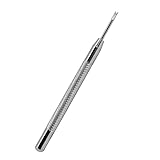
Two things that genuinely earn their place on a watch you wear.

As an Amazon Associate, Watch The Watch earns from qualifying purchases at no extra cost to you. See our affiliate disclosure.
Frequently asked questions
Does Brick Watch Company use in-house movements?
Almost certainly not, and that is normal and fine at this price. Expect a proven Japanese or Chinese automatic, or a quartz movement depending on the model. Off-the-shelf calibers are reliable and easy to service. Confirm the exact movement on the product page.
Is a Brick watch good value?
For buyers who prioritise character and a direct maker relationship, yes. You are paying for distinctive design plus a dependable movement rather than prestige or luxury finishing. Judge value against other microbrands, not against mainstream Swiss brands.
Where do I buy one and is it sold on Amazon?
Brick is a direct-to-consumer microbrand, so the brand store is the place to buy and to confirm current specs, pricing, and warranty. Buying direct also gives you the clearest line to support.
What should I check before ordering?
Confirm the crystal (sapphire vs mineral), the exact movement, water resistance, and especially the lug-to-lug measurement for fit. Specs can differ between models and production runs, so verify on the current listing rather than assuming. For the bigger picture, see how the fashion-watch tier is built and the best selling watch brands.

Daniel Hart is the editor of Watch The Watch. He researches and writes the site’s buying guides, brand comparisons, and explainers, focused on accessible, enthusiast-level watches — affordable automatics, divers, field and dress watches, everyday quartz, and the straps, winders and tools that go with them. The goal is practical, budget-aware advice that helps readers choose the right watch for their wrist and their budget. Recommendations draw on manufacturer specifications and the wider enthusiast community.