Daniel Hart · ·
Ask collectors which watch brands sit at the very top and you will get an argument. But strip away the noise and a clear truth emerges: the most expensive watch brands combine deep heritage, in-house movement-making, and ruthless control of supply. Price is not an accident here. It is engineered.
These are not “luxury” the way a department-store dress watch is luxury. This is haute horlogerie — high watchmaking where hand-finishing, complications, and scarcity drive value far above the cost of materials. A steel sports watch here can outprice a gold one from anyone else.
Below are six houses that define the ceiling of the watch world in 2026, each shown through one model that captures what makes the brand worth the money. A quick honesty note: I list no exact prices, because at this level figures swing wildly and date fast.
1. Patek Philippe — the collector’s benchmark
Founded in Geneva in 1839, Patek Philippe is the brand other brands measure themselves against. It has produced some of the most complicated mechanical watches ever made, and it still owns nearly every meaningful auction record. If there is a single “blue-chip” name in watches, this is it.
Patek’s appeal is part emotional, part financial. The “you never actually own it” line is clever marketing, but the substance is real: small production, obsessive finishing, and a service culture that keeps century-old pieces running.
The Nautilus, designed by Gérald Genta in 1976, is the watch that turned a steel sports model into a grail. Its porthole-inspired case and embossed dial created waitlists measured in years. It is the clearest example of how scarcity, not gold content, sets the price.
2. Audemars Piguet — the steel icon maker
Audemars Piguet has worked continuously from the Vallée de Joux since 1875 and remains family-controlled, which is rare at this altitude. The brand built its modern identity around one radical idea executed brilliantly. AP proved a luxury sports watch could be the flagship, not the afterthought.
The house has serious complication credentials too — minute repeaters, perpetual calendars, tourbillons — but its commercial engine is simpler: demand far outstrips the watches it chooses to make.
The Royal Oak, another Genta design from 1972, is arguably the most influential luxury watch of the last fifty years. Its octagonal bezel with exposed screws and integrated bracelet defined a whole category. Decades on, getting one at retail still takes a relationship with a boutique.
3. Vacheron Constantin — the quiet old master
Vacheron Constantin claims uninterrupted watchmaking since 1755, making it the oldest continuously operating watch manufacturer in the world. It carries the Hallmark of Geneva and a reputation for finishing that rewards a loupe. This is the connoisseur’s choice — prestige without the hype tax.
Where rivals lean on waitlists and resale buzz, Vacheron tends to attract buyers who already know the field. Its Métiers d’Art and Les Cabinotiers pieces are among the most artistically ambitious in the industry.
The Overseas is Vacheron’s integrated-bracelet sports line and its most accessible entry into the holy trinity of Geneva. With an in-house movement and a tool-free interchangeable strap system, it pairs everyday wearability with serious horological pedigree.
4. A. Lange & Söhne — German precision royalty
A. Lange & Söhne is the outlier here: not Swiss, but German, based in Glashütte. Founded in 1845, erased by war and East German nationalization, and revived in 1990, its comeback story is one of the great second acts in watchmaking. Lange’s finishing is widely considered the best in the business, full stop.
The brand’s signatures are unmistakable — untreated German silver plates, hand-engraved balance cocks, and movement decoration usually reserved for one-off pieces. Production is tiny, which keeps it in the highest price bracket.
The Lange 1, launched at the 1994 relaunch, is the model that announced the brand was back and serious. Its asymmetric dial, outsize date, and beautifully resolved layout made it an instant modern classic and remain the house’s defining design.
5. Richard Mille — the technical disruptor
Richard Mille is the youngster, founded in 2001, and it rewrote the rules of what a watch could cost. Rather than lean on tradition, it leaned on materials science — carbon composites, titanium, and movements engineered like racing chassis. RM made cutting-edge engineering, not heritage, the justification for top-tier pricing.
The watches are polarizing on purpose: extreme, lightweight, and built to survive on the wrists of tennis players and racing drivers. Limited production and aggressive positioning keep demand white-hot.
The RM tonneau-cased models are the brand’s signature, recognizable for their skeletonized movements and shock-resistant builds. Whichever reference you pick, you are paying for engineering theater and scarcity in equal measure.
6. Rolex — the gold standard of accessibility
Rolex is not the most expensive brand here piece-for-piece, and any honest writer will say so. But its precious-metal flagships compete on price with the trinity, and its demand is unmatched. No brand converts reputation into resale value as reliably as Rolex.
Founded in 1905, Rolex built its name on robustness and precision — the Oyster case, the Perpetual rotor, chronometer certification. It is the most recognized luxury watchmaker on earth, and that recognition is part of the price.
The Day-Date “President,” introduced in 1956, is Rolex at its most prestigious — solid gold or platinum only, with the day spelled out in full. The President bracelet and spelled-out day made it the watch of choice for heads of state, and it remains the brand’s ultimate status piece.
How to choose a luxury watch brand
There is no single “best” here — only what fits your goals. Use this quick guide to match a brand to your priorities.
| If you want… | Look at |
|---|---|
| Maximum prestige and resale | Patek Philippe, Rolex (precious metal) |
| Icon-status sports watch | Audemars Piguet, Patek Philippe |
| Best finishing for the money | A. Lange & Söhne, Vacheron Constantin |
| Quiet, under-the-radar prestige | Vacheron Constantin |
| Cutting-edge engineering and exclusivity | Richard Mille |
Storing it well is the other half
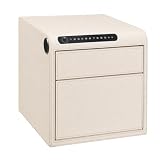
A watch spends most of its life not being worn, and that is where most of them are damaged.

As an Amazon Associate, Watch The Watch earns from qualifying purchases at no extra cost to you. See our affiliate disclosure.
Frequently asked questions
What is the most expensive watch brand?
By single-piece records and average price, Patek Philippe and Richard Mille sit at the very top, with Audemars Piguet and Vacheron Constantin close behind. There is no fixed ranking; it shifts model by model.
Is Rolex a luxury watch brand?
Yes, though it sits a step below the Geneva “holy trinity” on price for most steel models. Its solid-gold and platinum pieces, like the Day-Date, compete directly with the top tier.
Why are these watches so expensive?
Three things: in-house hand-finished movements, deliberately small production, and demand that far exceeds supply. Materials are a minor part of the cost; craftsmanship and scarcity do the heavy lifting.
Do expensive watches hold their value?
The best examples can, but it is never guaranteed. Patek Philippe, Rolex sports models, AP, and Richard Mille have historically held or grown in value, while many watches sell below retail secondhand. If this raised further questions, the best selling watch brands and our watch finder quiz pick them up.
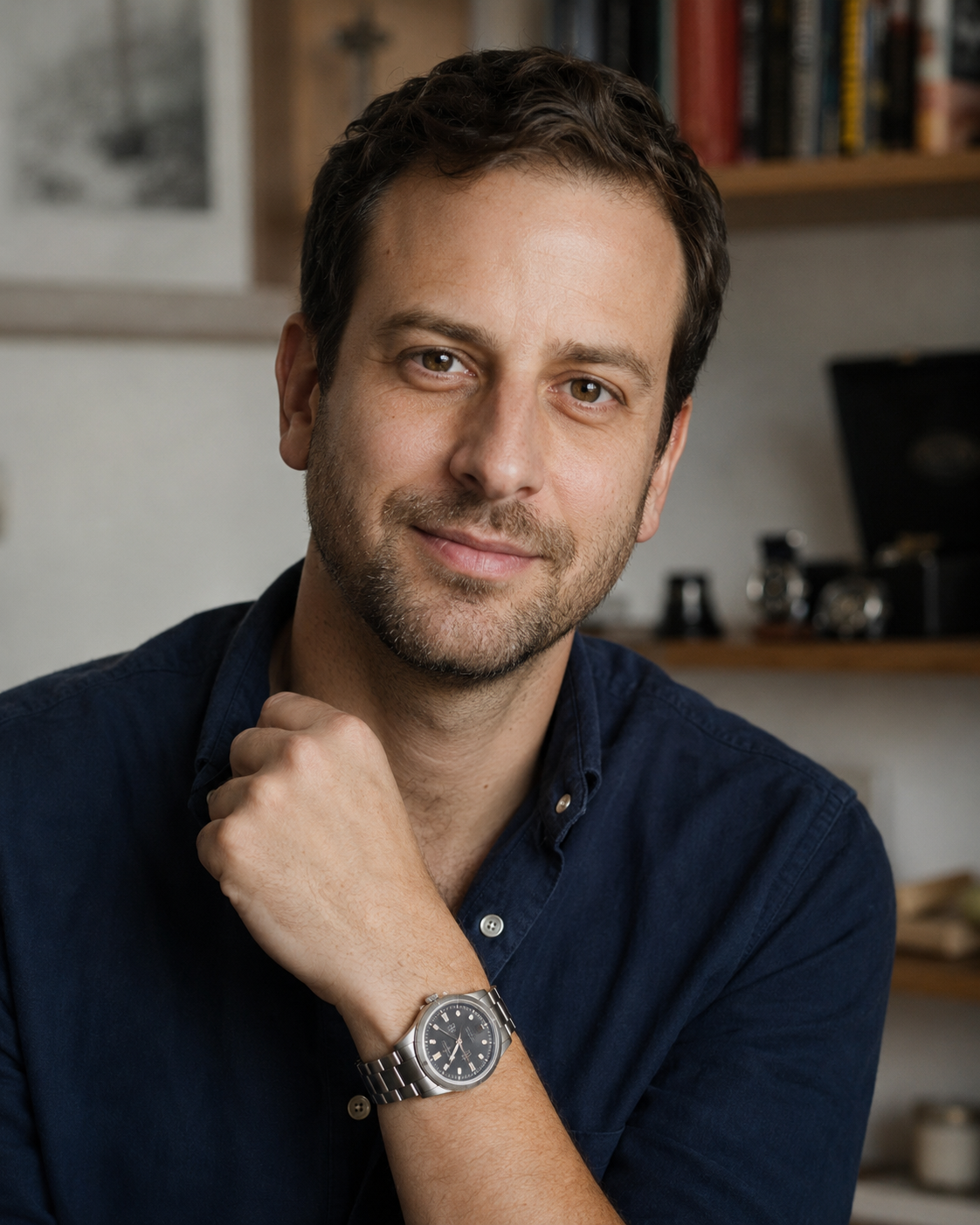
Daniel Hart is the editor of Watch The Watch. He researches and writes the site’s buying guides, brand comparisons, and explainers, focused on accessible, enthusiast-level watches — affordable automatics, divers, field and dress watches, everyday quartz, and the straps, winders and tools that go with them. The goal is practical, budget-aware advice that helps readers choose the right watch for their wrist and their budget. Recommendations draw on manufacturer specifications and the wider enthusiast community.