Daniel Hart · ·
If you have ever priced a brand-new Rolex, you already know the problem: the entry point at an authorised dealer has crept well past $5,000 for almost everything in the catalogue, and the popular steel sport models carry waitlists that can last years. The honest reality in 2026 is that a Rolex under $5,000 is a pre-owned proposition, not a new one.
The good news is that the used market is deep, liquid and surprisingly accessible if you know where to look. Plenty of genuine, serviceable Rolex watches trade hands every day in the $3,000-$5,000 band — classic Datejusts, no-date Oyster Perpetuals, the underrated Air-King, and even older Submariners if you are flexible on age and condition.
This guide is written for buyers who want a real Rolex they can wear, not a speculative flip. The single most important skill here is buying safely, because the discount you find is only a bargain if the watch is authentic and honestly described. I am a watch writer, not a financial adviser, so treat any value commentary as general information rather than investment guidance.
What you can realistically get under $5,000
Prices on the secondary market move constantly, so think in terms of categories rather than fixed figures. The watches below are the ones that consistently appear within reach of a $5,000 budget, especially if you accept pre-owned condition and slightly older references.
Steel and gold dress models give you the most Rolex for the money; steel sport models cost more and demand more compromise on age. A clean two-tone Datejust is often the best value in the entire lineup.
- Datejust (36mm and older 36mm refs): The default answer. Steel or two-tone, dozens of dial and bezel combinations, and the widest supply of any Rolex. Often the easiest model to land comfortably under budget.
- Oyster Perpetual: Time-only simplicity, no date, clean Oyster case. Older 34mm and 36mm examples are frequently affordable; recent colourful-dial models run higher.
- Air-King: Historically the entry Rolex. Older references are among the cheapest ways into the brand, though the current 40mm reference trades near or above budget.
- Older Submariner: Possible, but usually only 1980s-1990s references in honest, non-pristine condition. Modern ceramic Subs are well over $5,000.
Datejust, Oyster Perpetual or Air-King — which fits you?
These three cover most sensible sub-$5,000 buyers, and the choice comes down to whether you want a date, how much you care about size, and how much variety you want to shop. The Datejust is the safe all-rounder, the Oyster Perpetual is the purist’s choice, and the Air-King is the quiet enthusiast pick.
| Model | Date? | Typical sizes | Best for |
|---|---|---|---|
| Datejust | Yes (Cyclops) | 36mm (older), 31/34mm | Versatility, dial variety, resale liquidity |
| Oyster Perpetual | No | 34-36mm common older | Clean minimalist look, lower service complexity |
| Air-King | No (older) / Yes-no varies | 34mm (older), 40mm (new) | Lowest entry on older refs, understated wrist presence |
If you cannot decide, an older 36mm Datejust on a Jubilee bracelet is the lowest-regret first Rolex — it dresses up, dresses down, and is the easiest to resell later if it is not the one.
How to buy a used Rolex safely
This is where the money is made or lost. A counterfeit or “Frankenwatch” (a genuine case stuffed with non-Rolex or mismatched parts) can look convincing in photos, so process matters more than gut feeling. Buy the seller before you buy the watch.
Favour established dealers with return windows, authenticity guarantees, and verifiable trading history over a stranger and a wire transfer. A slightly higher price from a reputable source is cheap insurance against a four-figure mistake. If you buy privately, meet in person, pay with traceable methods, and never feel rushed.
Use a checklist before money changes hands:
- Serial and reference numbers: Confirm they exist between the lugs (on older watches) and match the paperwork and the model era.
- Movement: If possible, have a watchmaker confirm a genuine Rolex caliber inside — the most common fakery hides here.
- Dial, hands and date font: Look for crisp printing, correct lume, and the proper Cyclops magnification (2.5x) on date models.
- Bracelet and clasp: Check engravings, stretch, and that the clasp code suits the reference and period.
- Service history: Ask when it was last serviced; budget for a service if it has been many years.
When a deal looks far below market, assume there is a reason and slow down. The most common reasons are a hidden problem, a swapped part, or an outright fake.
Budgeting beyond the sticker price
The purchase price is not the full cost of ownership. A full Rolex service runs into the several-hundred-dollar range and is occasionally needed, so factor it in — especially on older or unserviced examples. Treat a recent service as a real discount and an unknown service history as a future bill.
Condition costs money too. Aftermarket parts, polished-away case lines, and replaced dials all lower value and authenticity. An honest, original, slightly worn watch is usually a better buy than a suspiciously “perfect” one at the same price. If you plan to insure it, get a written valuation and check policy details with a licensed provider — I am not an insurance or investment adviser.
Storing it well is the other half
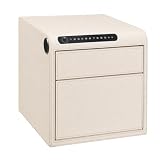
A watch spends most of its life not being worn, and that is where most of them are damaged.

As an Amazon Associate, Watch The Watch earns from qualifying purchases at no extra cost to you. See our affiliate disclosure.
Frequently asked questions
Can you buy a brand-new Rolex for under $5,000 in 2026?
Realistically, no. Current retail pricing across the catalogue generally starts above $5,000, and the most in-demand steel models also carry long waitlists at authorised dealers. Under $5,000 effectively means pre-owned.
Is a used Rolex a safe purchase?
It can be very safe if you buy from a reputable dealer with an authenticity guarantee and a return window, or have a private-sale watch verified by an independent watchmaker. The risk is not Rolex quality — these are robust watches — but counterfeits and mismatched parts. Vet the seller and the watch carefully.
Which Rolex holds its value best on a small budget?
Generally the classic, widely recognised models with deep supply — the Datejust and Oyster Perpetual — are the most liquid and easiest to resell. Older sport models can hold value well too, but condition and originality matter enormously. None of this is a guarantee of future value, and I am not a financial adviser.
Do I need the original box and papers?
They are desirable and help when you sell, but they are not proof of authenticity on their own, and you will usually pay a premium for a “full set.” A genuine, well-documented watch from a trusted seller without papers can be a smarter buy than a papered watch from an unknown source. Two related guides on this site: why Rolex watches cost what they do and whether a Rolex holds its value.

Daniel Hart is the editor of Watch The Watch. He researches and writes the site’s buying guides, brand comparisons, and explainers, focused on accessible, enthusiast-level watches — affordable automatics, divers, field and dress watches, everyday quartz, and the straps, winders and tools that go with them. The goal is practical, budget-aware advice that helps readers choose the right watch for their wrist and their budget. Recommendations draw on manufacturer specifications and the wider enthusiast community.