Daniel Hart · ·
Eco-Drive is the most successful piece of watch engineering that nobody argues about, which is probably why it gets so little attention.
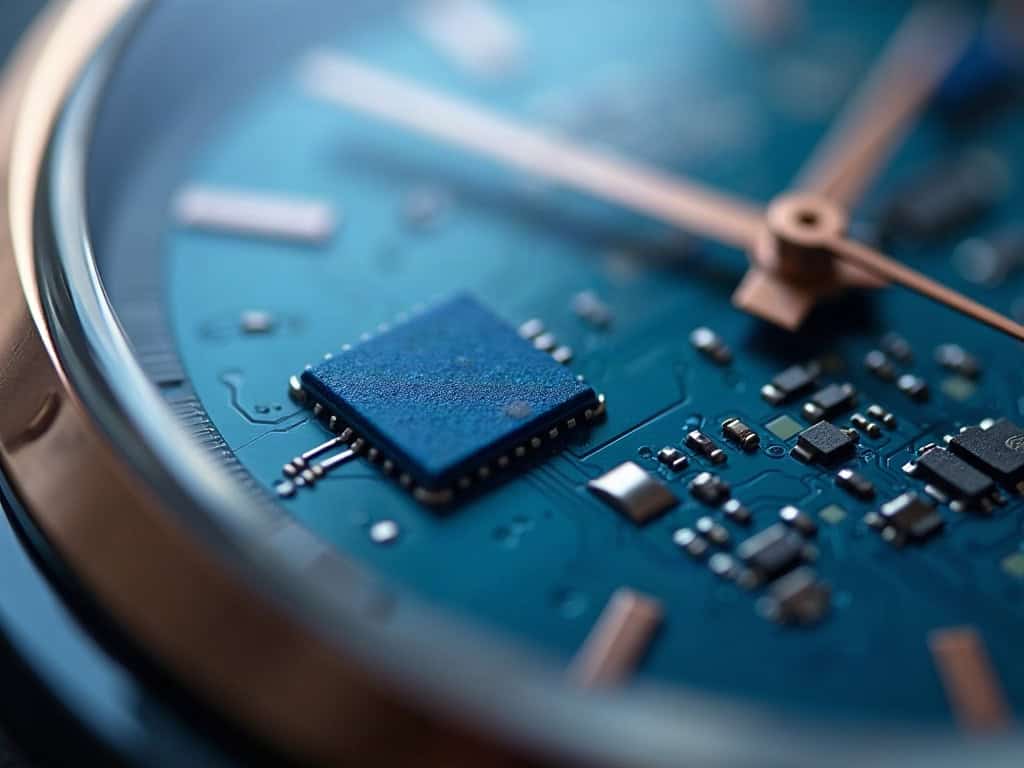
It is not a movement so much as a power source. A solar cell sits beneath the dial, converts any light into electricity, and stores it in a rechargeable cell that lasts decades.
Citizen has been selling it since 1976. The interesting question is not whether it works, because it plainly does, but what it costs you in exchange.
The short answer
How it works, and why the dial matters
The solar cell is not visible because it sits underneath the dial, and the dial is engineered to pass enough light through to reach it. That is the part of the design people underestimate: the dial has to be both opaque enough to look like a watch dial and transparent enough to power one.
Any light works. Daylight charges it fastest, but office lighting is enough to keep a worn watch topped up indefinitely, which is why most owners never think about charging at all.
Citizen documents the technology on its own Eco-Drive technology page.
The numbers, and the twenty-year figure
A fully charged Eco-Drive typically runs for six months or more in complete darkness, and many models exceed that. In practice this means a watch left in a drawer over a winter is still running in spring.
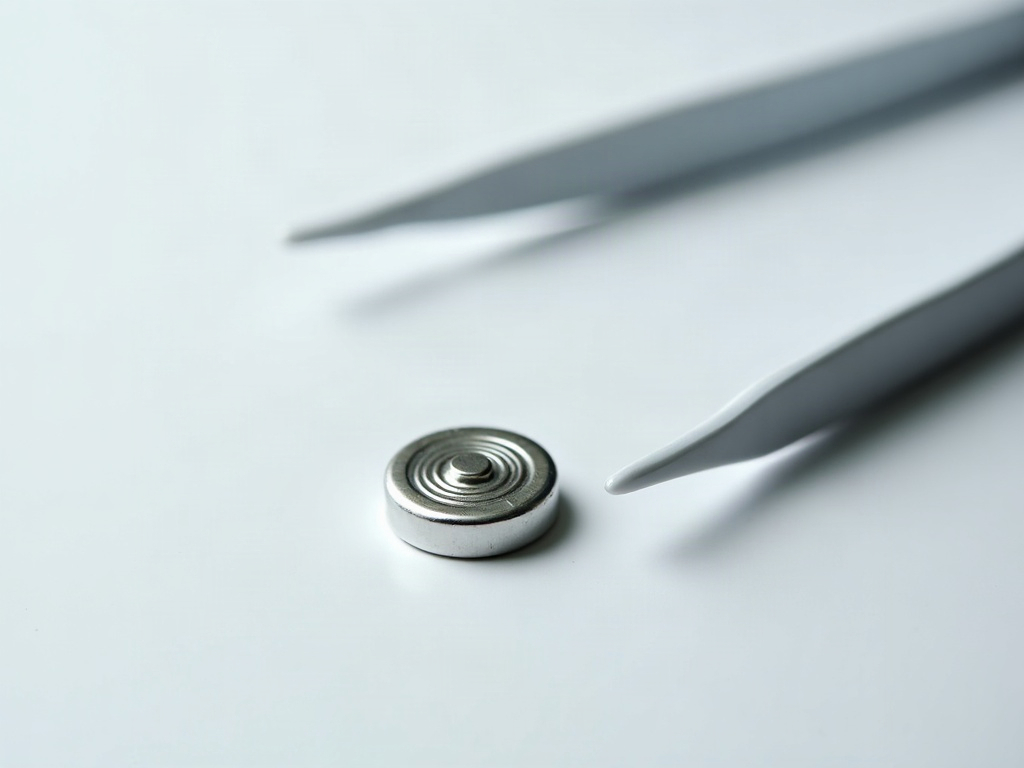
The rechargeable power cell is designed to last twenty years or more, which for most owners is longer than they will keep the watch. That is the real claim: not that the battery lasts a long time, but that you will probably never replace it.
There is a second benefit that rarely gets mentioned. No battery means no battery hatch, so the case has one fewer opening to seal and one fewer occasion to be opened by someone careless with a gasket.
| Eco-Drive | Standard quartz | Automatic | |
|---|---|---|---|
| Power source | Light | Battery | Wrist motion or winding |
| Run time when idle | 6 months or more from full charge | Until the battery dies | 38 to 80 hours typically |
| Routine maintenance | None for decades | Battery every few years | Service every several years |
| Case opened for power | No | Yes | No |
What you give up
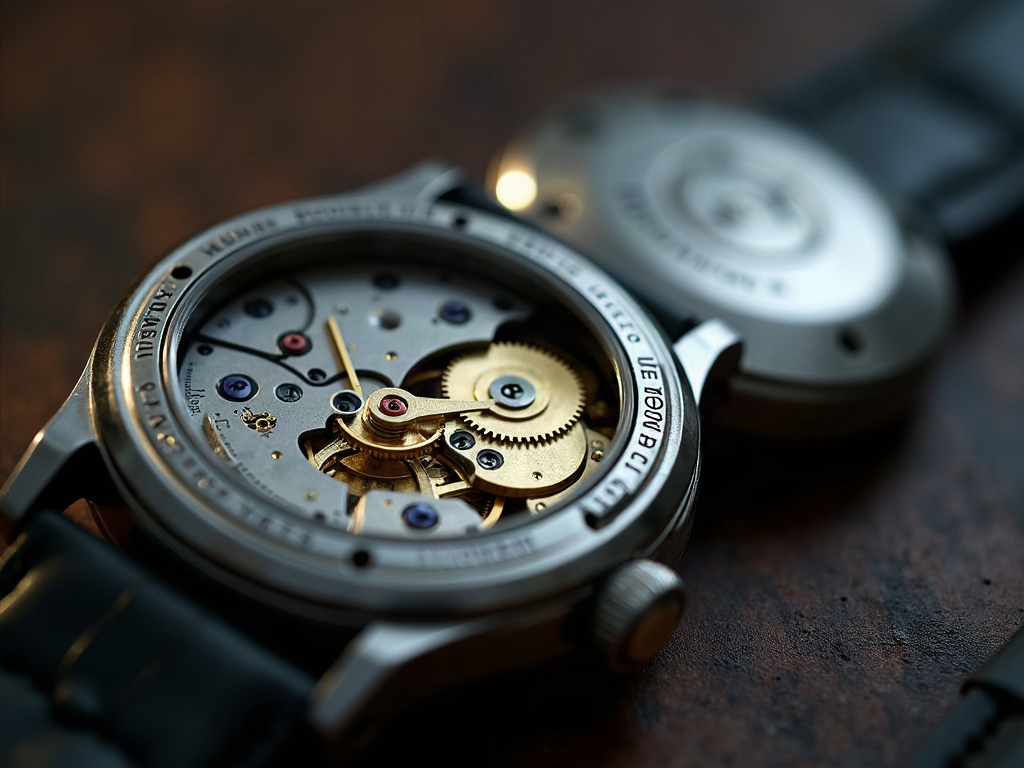
It is quartz. There is no mechanism running inside it, no rotor to feel, nothing to watch through a caseback. For a great many buyers that is irrelevant, and for some it is the entire point of a watch.
The dial is also constrained. Because light has to reach the cell, designers have less freedom with materials and finishes than they would on a conventional quartz watch, which is part of why some Eco-Drive dials look a particular way.
And the technology does not make the watch good on its own. An Eco-Drive in a poor case with a mineral crystal is still a poor watch, so the usual questions about construction still apply.
Who it is for
Buy one if you want a watch that simply works, indefinitely, with no errands attached. Nothing else in watchmaking delivers that as completely.
It suits an occasional-wear watch particularly well, because the failure mode of every alternative is being dead when you reach for it. It also suits anyone who finds the maintenance culture around mechanical watches tiresome, and our NH35 explainer is a fair account of what that maintenance actually involves.
Skip it if you want a mechanical watch, in which case Seiko is the obvious rival at similar money. And if the appeal is a low-maintenance watch that is also thin, our Movado guide covers the dress-quartz alternative.
Two Eco-Drive watches to know
Both list Eco-Drive in Citizen’s own specification, which is the standard applied throughout this article.


As an Amazon Associate, Watch The Watch earns from qualifying purchases at no extra cost to you. See our affiliate disclosure. Our Citizen brand guide covers the company behind it, and our solar watches guide covers the wider category.
Frequently asked questions
What is Citizen Eco-Drive?
A light-powered technology in which a solar cell beneath the dial charges a rechargeable power cell. The watch runs on any light and never needs a battery change.
How long does an Eco-Drive run without light?
A fully charged watch typically runs for six months or more in complete darkness, and many models exceed that.
Does an Eco-Drive ever need a new battery?
The rechargeable power cell is designed to last twenty years or more, so most owners never replace it. It is a rechargeable cell rather than a disposable battery.
Does Eco-Drive work under artificial light?
Yes. Daylight charges it fastest, but ordinary indoor lighting is enough to keep a regularly worn watch topped up.
Is Eco-Drive better than an automatic?
It is more convenient and more accurate, and it needs almost no maintenance. It is also quartz, so there is no mechanism running inside it. Which matters more is a question of what you want from a watch.
The verdict
Eco-Drive solves the one problem every quartz watch has and the one problem every automatic has, which is that both of them eventually stop and ask something of you.
The technology is excellent and it does not make a bad watch good. Judge the case, the crystal and the finishing as you would on anything else, then treat the power source as a bonus.

Daniel Hart is the editor of Watch The Watch. He researches and writes the site’s buying guides, brand comparisons, and explainers, focused on accessible, enthusiast-level watches — affordable automatics, divers, field and dress watches, everyday quartz, and the straps, winders and tools that go with them. The goal is practical, budget-aware advice that helps readers choose the right watch for their wrist and their budget. Recommendations draw on manufacturer specifications and the wider enthusiast community.