Daniel Hart · ·
Quartz gets dismissed as the cheap option, which is fair for most of it and unfair for Ronda.
Ronda is a Swiss independent that makes quartz movements and nothing else, and it has been doing it since 1946. The 763 is the movement that explains why a Swiss quartz watch can cost more than a Japanese automatic and still make sense.
The argument comes down to three things: thinness, battery life, and one small feature that quartz movements almost never have.
The short answer
The feature quartz movements usually skip
The 763 hacks. Pull the crown and the seconds hand stops, so you can set the watch to the second against a reference.
That sounds minor until you notice how many quartz movements do not offer it. On a movement accurate to seconds per month, being able to set it precisely is the difference between accuracy on paper and accuracy on your wrist, because an unhackable watch starts life up to thirty seconds out.
It also signals what the movement is for. Ronda publishes the Normtech family and its siblings on its own site, and the range is built for brands that care about details buyers notice slowly.
Thin, and why that decides the watch
At roughly 2.5 mm the 763 is thinner than any mechanical automatic by a wide margin. The thinnest serious Swiss automatic, the ETA 2892 architecture, is 3.6 mm, and the common workhorses are thicker still.
That gap becomes the finished watch. A quartz dress watch can be genuinely slim in a way no automatic can match, which for some wrists and some sleeves is the deciding factor.
Five jewels is the correct number here, not a shortfall. A quartz movement has far fewer high-load pivots than a mechanical one, so comparing jewel counts across the two technologies tells you nothing useful.
| Specification | Ronda 763 |
|---|---|
| Type | Swiss quartz, hacking seconds |
| Jewels | 5 |
| Thickness | About 2.5 mm |
| Battery | 364 cell |
| Battery life | Up to 10 years |
| Family | Ronda Normtech |
A decade between visits to the watchmaker
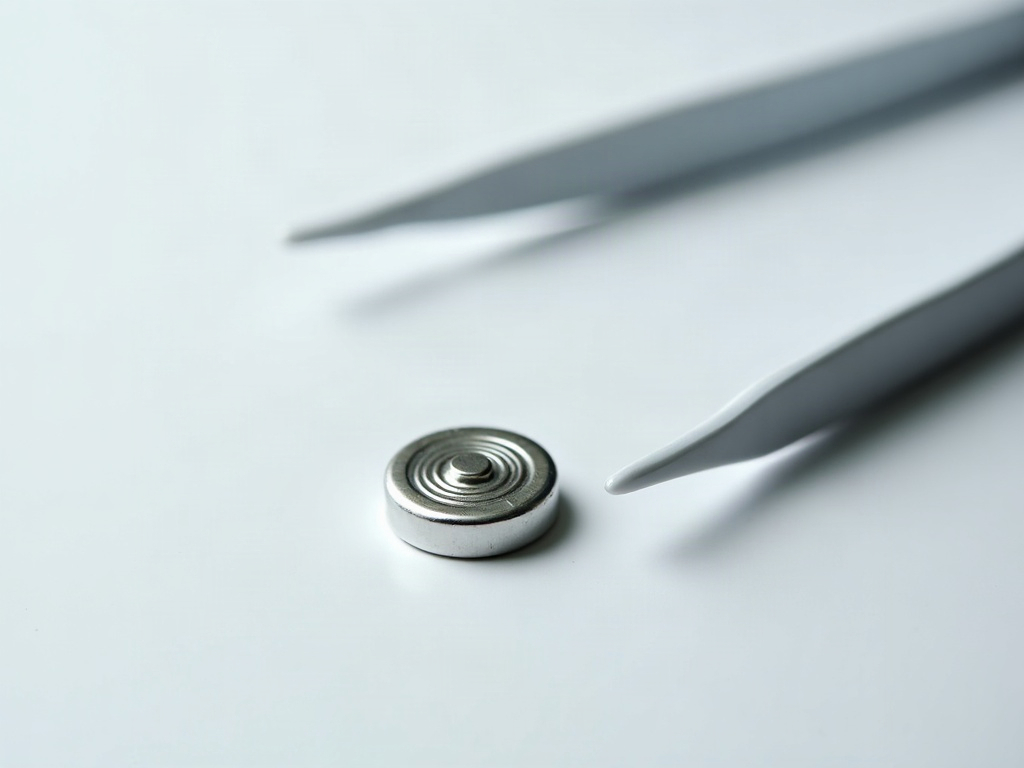
Battery life of up to ten years changes the ownership maths completely. A mechanical watch wants a service every several years at real cost, and a cheap quartz wants a battery every two.
This wants neither for most of a decade. For a watch you wear occasionally, that is a genuinely different relationship: it is simply working whenever you pick it up, with nothing owed.
It is also the honest answer to the person who wants a watch rather than a hobby. Not everyone wants to think about power reserves and service intervals, and there is no reason they should have to.
Where Swiss quartz makes sense and where it does not
It makes sense in a thin dress watch, in a second watch worn rarely, and anywhere the alternative is a cheap unhackable quartz movement in a nicer case.
It stops making sense when the price climbs. Paying several hundred dollars for quartz is a decision to buy the case, the finishing and the name, which our Movado guide examines in detail and our Skagen guide examines from the opposite end.
The question is never quartz against mechanical in the abstract. It is what this specific watch is for, and how often you will actually wear it. Our Fossil guide covers what the same money buys when the movement is not the priority.
Frequently asked questions
What is the Ronda 763?
A Swiss quartz movement with 5 jewels and a thickness of about 2.5 mm, from Ronda’s Normtech family. It has a hacking seconds function and runs on a 364 cell.
How long does the Ronda 763 battery last?
Up to ten years on a 364 cell, which is far longer than typical quartz movements and removes most of the maintenance burden of owning one.
Does the Ronda 763 have hacking seconds?
Yes. The seconds hand stops when you pull the crown, so the watch can be set precisely against a reference. Many quartz movements do not offer this.
Why does the Ronda 763 only have 5 jewels?
Quartz movements have far fewer high-load pivots than mechanical ones, so they need fewer jewel bearings. Comparing jewel counts between quartz and mechanical movements is not meaningful.
Is Swiss quartz worth paying for?
In a thin dress watch or an occasional-wear watch, often yes, because of the thinness, the hacking and the decade-long battery. As the price climbs, more of what you pay for is the case and the name rather than the movement.
The verdict
The 763 is the best argument that quartz can be a considered choice rather than a budget one. Thin, hackable, and left alone for most of a decade.
Judge it against what the watch is for, not against a mechanical movement. For a slim dress watch worn now and then, very little makes more sense.

Daniel Hart is the editor of Watch The Watch. He researches and writes the site’s buying guides, brand comparisons, and explainers, focused on accessible, enthusiast-level watches — affordable automatics, divers, field and dress watches, everyday quartz, and the straps, winders and tools that go with them. The goal is practical, budget-aware advice that helps readers choose the right watch for their wrist and their budget. Recommendations draw on manufacturer specifications and the wider enthusiast community.