Daniel Hart · ·
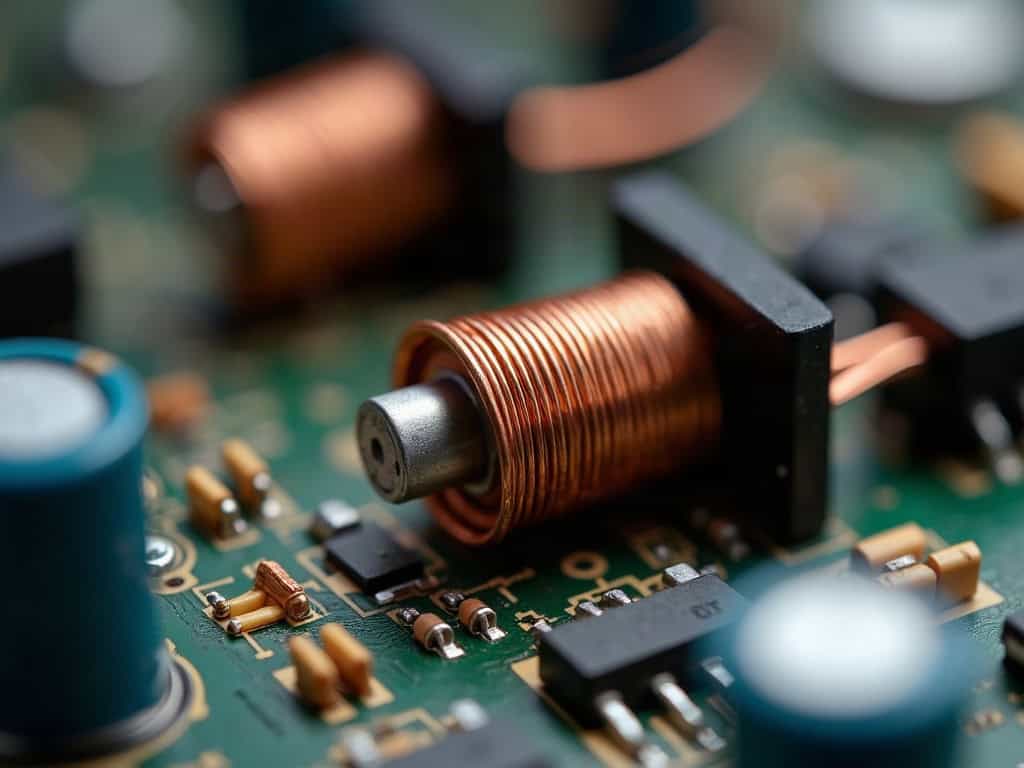
Quartz chronographs have a reputation problem, and it is deserved. Press the reset on a cheap one and the hands crawl back to zero, which feels like exactly what it is.
Meca-quartz fixes that. The timekeeping is quartz and the chronograph is mechanical, so the hands snap back instantly the way they do on a movement costing twenty times more.
The VK63 is the movement that made this combination normal, and it deserves far more credit than it gets.
The short answer
What meca-quartz actually means
A conventional quartz chronograph drives every hand with a stepper motor, including the chronograph hands. Resetting means the motor walking each hand back to zero, which takes a visible moment and feels cheap.
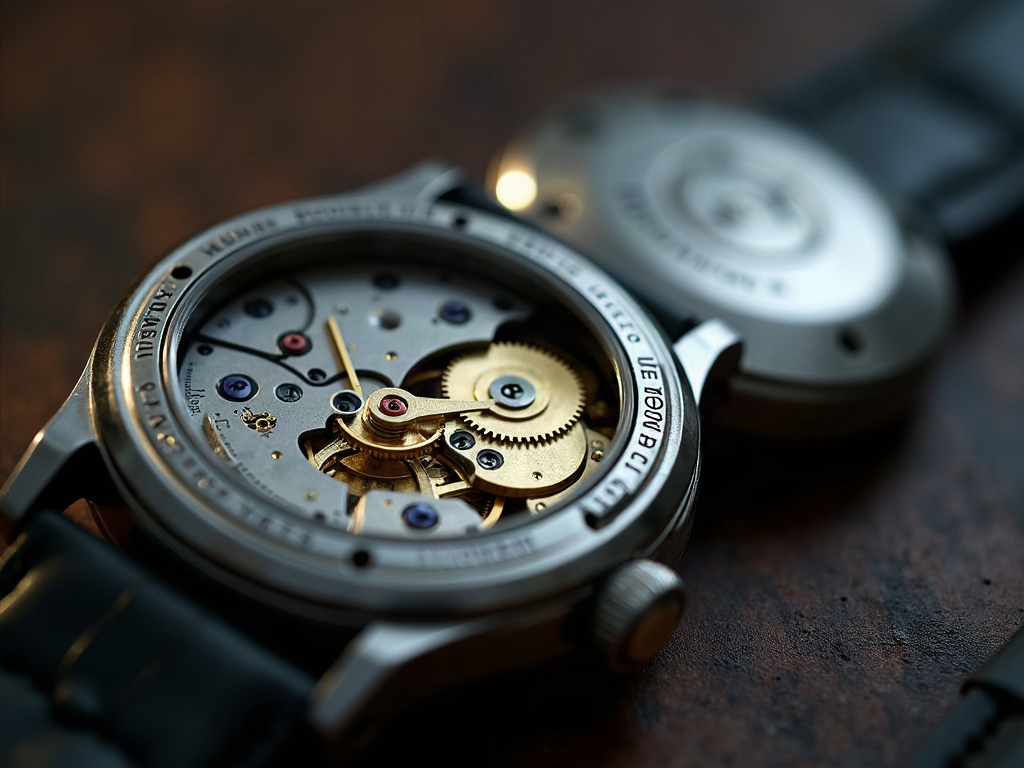
A mechanical chronograph uses a heart-shaped cam. Press reset and the cam knocks the hand to zero instantly, in one snap. Meca-quartz keeps the quartz motor for timekeeping and puts a real mechanical module on the chronograph, so you get the snap without the price.
The VK series is made by Time Module, the Seiko subsidiary that also supplies the NH movements. Its product catalogue lists the VK63 alongside the rest of the family.
What you actually get, and what you give up
You get quartz accuracy, which is to say better timekeeping than almost any mechanical chronograph at any price. You get a chronograph that feels right under the finger. And you get a battery, so the watch runs whether or not you wear it.
You give up the thing enthusiasts care about most, which is that it is not a mechanical watch. Nothing is running inside it between the times you look at it, and for some people that is the entire point of owning a watch.
You also give up a display caseback worth having. There is a module in there, but it is not the sight that a mechanical chronograph offers.
| Meca-quartz (VK63) | Mechanical (7750) | |
|---|---|---|
| Timekeeping | Quartz | Mechanical |
| Chronograph reset | Instant snap back | Instant snap back |
| Accuracy | Seconds per month | Seconds per day |
| Thickness | Thin | 7.9 mm movement alone |
| Needs winding or wearing | No, it has a battery | Yes |
| Typical watch price | Often under $300 | Usually four figures |
Why it matters for how a watch is shaped
The Swiss mechanical chronograph is built around a movement 30 mm across and nearly 8 mm thick, which is why those watches are almost all large. A meca-quartz module carries no such constraint.
That is a genuinely practical benefit rather than a technicality. If your wrist finds a 42 mm chronograph too big, meca-quartz is the only route to a smaller one that still feels correct to operate.
It also opens the design space. Brands can build a chronograph in a vintage-proportioned case without the movement dictating the result, which is why so many reissue-styled chronographs use one.
Who should buy one
Buy one if you want a chronograph you will actually use, in a size that suits you, without spending mechanical money. On that brief nothing else competes.
It suits the fashion-tier buyer especially well. A meca-quartz chronograph at two hundred dollars is a better object than most of the quartz sold at that price by the brands in our Fossil guide, because the money went into the mechanism rather than the licence.
Skip it if you want something running on your wrist. For that, our NH35 explainer and our Seiko positioning guide point at the mechanical alternatives from the same manufacturer.
Frequently asked questions
What is the Seiko VK63?
A meca-quartz chronograph movement made by Time Module, a Seiko subsidiary. A quartz circuit keeps time while a mechanical module drives the chronograph functions.
What does meca-quartz mean?
It means the timekeeping is quartz but the chronograph is mechanical. The practical result is quartz accuracy combined with an instant snap-back reset and a crisp pusher feel.
Is meca-quartz better than a normal quartz chronograph?
For how the chronograph feels, clearly. A standard quartz chronograph walks its hands back to zero with a motor, while a meca-quartz snaps them back instantly using a mechanical cam.
Is a VK63 watch a real chronograph?
Yes. The chronograph mechanism is genuinely mechanical. What is not mechanical is the timekeeping, which is driven by a quartz circuit and a battery.
Why are meca-quartz chronographs smaller than mechanical ones?
A mechanical chronograph movement such as the 7750 is 30 mm across and nearly 8 mm thick, which forces a large case. A meca-quartz module is far thinner, so the designer is free to choose the size.
The verdict
Meca-quartz is the most underrated idea in affordable watchmaking. It takes the one thing quartz chronographs do badly and fixes it with the one part of a mechanical chronograph that is cheap to make.
If you want a chronograph to use rather than to admire, this is the sensible answer. The only real objection to it is philosophical, and it is a fair one.

Daniel Hart is the editor of Watch The Watch. He researches and writes the site’s buying guides, brand comparisons, and explainers, focused on accessible, enthusiast-level watches — affordable automatics, divers, field and dress watches, everyday quartz, and the straps, winders and tools that go with them. The goal is practical, budget-aware advice that helps readers choose the right watch for their wrist and their budget. Recommendations draw on manufacturer specifications and the wider enthusiast community.