
Daniel Hart · ·
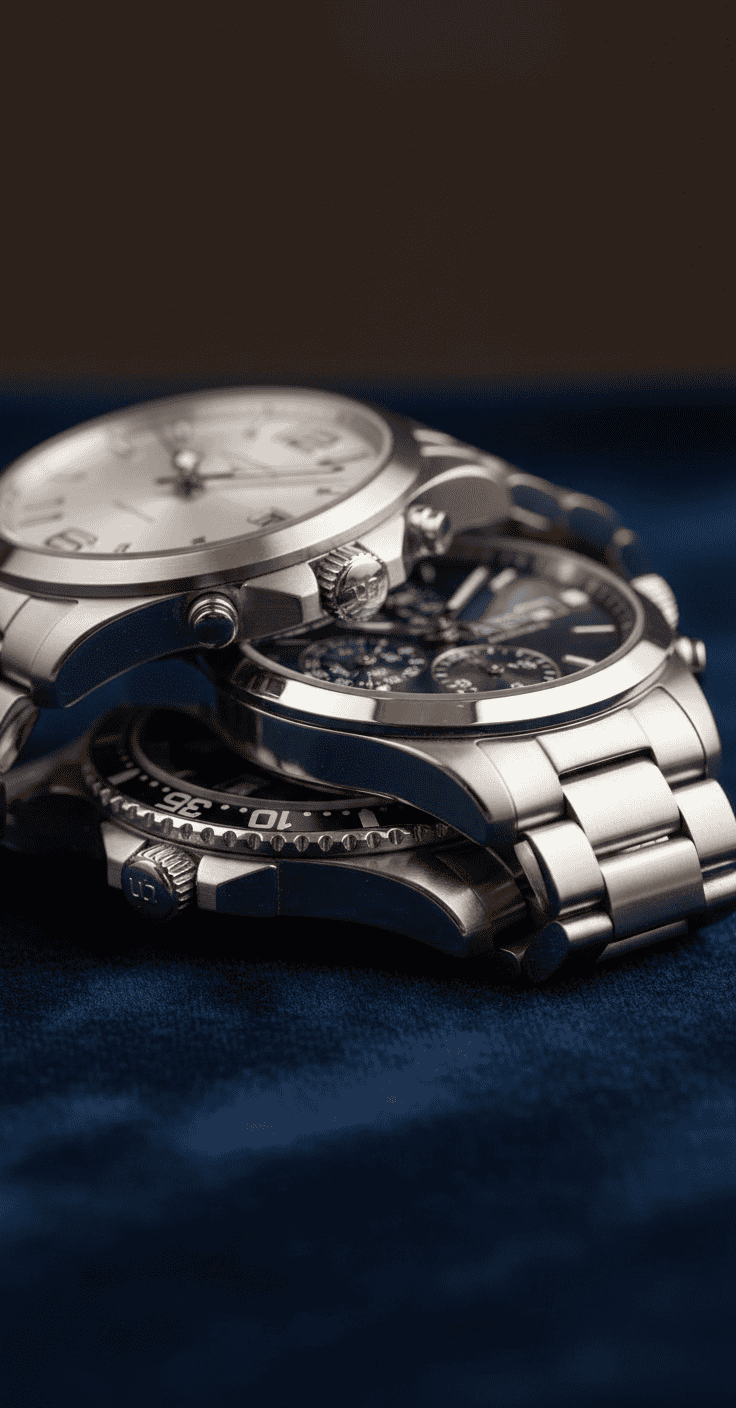
Longines occupies an awkward and rather useful place. It sits inside Swatch Group above Tissot and below Omega, which means it inherits industrial capability from both directions without carrying either price.
The brand is also genuinely old, founded in 1832 in Saint-Imier, and it has the archive to prove it rather than a marketing story invented later.
The interesting question is what the group membership actually gets you, because on paper a Longines and a Tissot share a great deal.
The short answer
What Swatch Group membership buys
Swatch Group owns ETA, which supplies a large share of the Swiss mechanical industry. Longines does not buy generic ETA calibres off a catalogue; it gets versions developed for it and not sold to outside brands.
The L888 family, for example, is built on the well-proven ETA 2892 architecture but specified for Longines, and several current calibres carry silicon balance springs that make the watch effectively immune to magnetism. That is a real technical benefit in a world full of phones, laptops and magnetic clasps.
The group also supplies the unglamorous things that decide how a watch feels: sapphire crystals, case finishing, water resistance testing and a service network. Those are exactly what the fashion tier cannot match at any price, and our guide to Emporio Armani shows what the same money buys without them.
The range, and where it stops making sense
The HydroConquest is the dive watch and the usual entry point to the mechanical range, at around $1,600. The Master Collection is the dress line and runs considerably higher. There is also a quartz Conquest at about $900, which is a different proposition entirely.
That quartz model is worth pausing on. It is well made and Swiss, but paying nine hundred dollars for a quartz movement is a decision to buy the name and the case rather than the mechanics. If quartz is genuinely what you want, the money goes much further elsewhere.
Warranty across the self-winding range is five years, matching Tudor and putting both well ahead of the industry norm of a few years ago.
| Model | Movement | Positioning | Warranty | Price |
|---|---|---|---|---|
| Conquest 41 | Swiss quartz | Entry, name and case rather than mechanics | Check reference | About $900 |
| HydroConquest 41 | Automatic, exclusive ETA-developed calibre | The sensible mechanical entry | 5 years on self-winding | About $1,600 |
| Master Collection 42 | Automatic, exclusive ETA-developed calibre | Dress line, classical register | 5 years on self-winding | About $4,300 |
Buy the dealer before the watch
Longines states the position clearly on its own warranty page: the guarantee is tied to purchase from an authorised retailer, and the warranty is activated at the point of sale.
A watch bought from an unauthorised seller usually carries no manufacturer warranty at all. Marketplace listings frequently substitute the seller’s own in-house guarantee, which covers less and lasts less long.
The discounts on those channels are real, and plenty of people buy that way knowingly. The point is simply that the saving is not free, and on a mechanical watch with a five-year factory guarantee the difference is worth pricing before you decide.
Who Longines is for
Buy one if you want classical Swiss watchmaking without a four-figure premium for a fashionable name. The HydroConquest in particular is a lot of watch for the money, and the archive designs age better than almost anything in the segment.
It also suits the buyer who wants a dress watch that reads as grown-up. The Master Collection does understated formality properly, which is harder to find than it sounds.
Skip the quartz models unless you have a specific reason. And if you want the tool-watch register with a manufacture movement, Tudor is the direct competitor and arguably the stronger specification story.
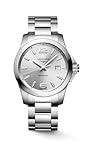
Three Longines watches worth knowing
Chosen to show the range from quartz entry to dress line. The authorised-dealer caveat above applies to all of them.

As an Amazon Associate, Watch The Watch earns from qualifying purchases at no extra cost to you. See our affiliate disclosure. For the tier directly below it inside the same group, our Tissot guide covers what changes at half the price, and our dress watches under $1,000 guide covers the competition the Master Collection faces.
Frequently asked questions
Is Longines a good watch brand?
Yes. It sits in Swatch Group between Tissot and Omega, uses calibres developed by ETA exclusively for it, fits sapphire crystals throughout the mechanical range and warranties self-winding watches for five years.
Who owns Longines?
Swatch Group, which also owns Omega, Tissot, Hamilton, Rado, Certina and Mido, along with the movement maker ETA. The brand itself was founded in Saint-Imier in 1832.
Are Longines movements in-house?
Not in the strict sense. They are ETA calibres developed exclusively for Longines and not sold to other brands, which is a meaningful step above buying a generic movement but short of full in-house manufacture.
Is Longines better than Tissot?
It is a level above on finishing, materials and warranty, and the price reflects that. Both come from the same group, so the engineering foundations are shared and the difference is execution rather than architecture.
Will Longines honour a warranty on a marketplace purchase?
Only if the seller is an authorised retailer. The company states that the guarantee is tied to authorised purchase and activated at the point of sale, so grey-market watches typically carry only the seller’s own guarantee.
The verdict
Longines is the least fashionable good answer in Swiss watchmaking, which is exactly why it represents value. Exclusive calibres, sapphire, a real archive and a five-year warranty, without paying for a logo that trends.
Take the HydroConquest, skip the quartz, and check the seller’s authorisation. On those three decisions the brand is very hard to argue with.

Daniel Hart is the editor of Watch The Watch. He researches and writes the site’s buying guides, brand comparisons, and explainers, focused on accessible, enthusiast-level watches — affordable automatics, divers, field and dress watches, everyday quartz, and the straps, winders and tools that go with them. The goal is practical, budget-aware advice that helps readers choose the right watch for their wrist and their budget. Recommendations draw on manufacturer specifications and the wider enthusiast community.
