Daniel Hart · ·
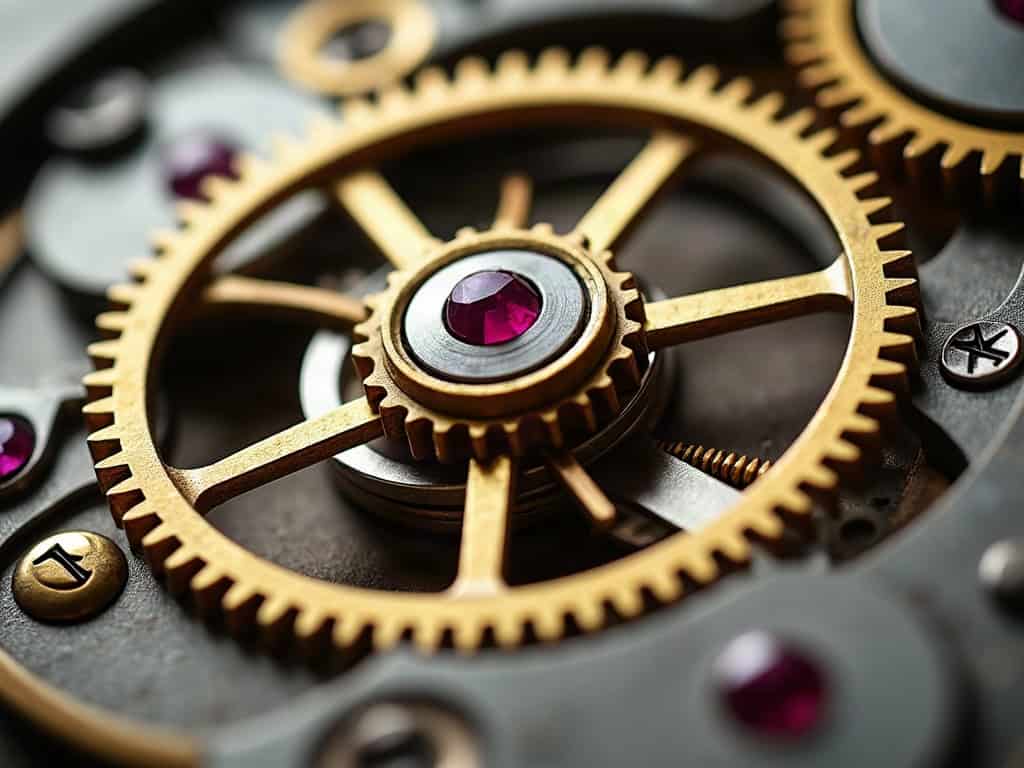
Open the caseback of almost any Swiss automatic between five hundred and three thousand dollars and there is a good chance you are looking at a Sellita.
The brand rarely appears on the dial. It sells movements to other watch companies, which is why it is simultaneously one of the most important names in Swiss watchmaking and one of the least recognised.
The SW200-1 is the workhorse of that catalogue, and understanding it explains a great deal about how the industry actually works.
The short answer
Why it exists at all
For decades Sellita assembled movements under contract for ETA, the Swatch Group subsidiary that supplied most of the Swiss industry. It knew the ETA architecture intimately because it had been building it.
When Swatch Group began restricting movement sales to outside brands, that expertise turned into a business. Sellita started selling its own calibres, built to the same dimensions, so a brand could switch supplier without redesigning its cases, dials or hands.
That interchangeability is the whole commercial story. It is also why the SW200-1 spread so fast: for most brands, adopting it required changing a purchase order rather than an engineering programme.
The specification, and the one number people get wrong
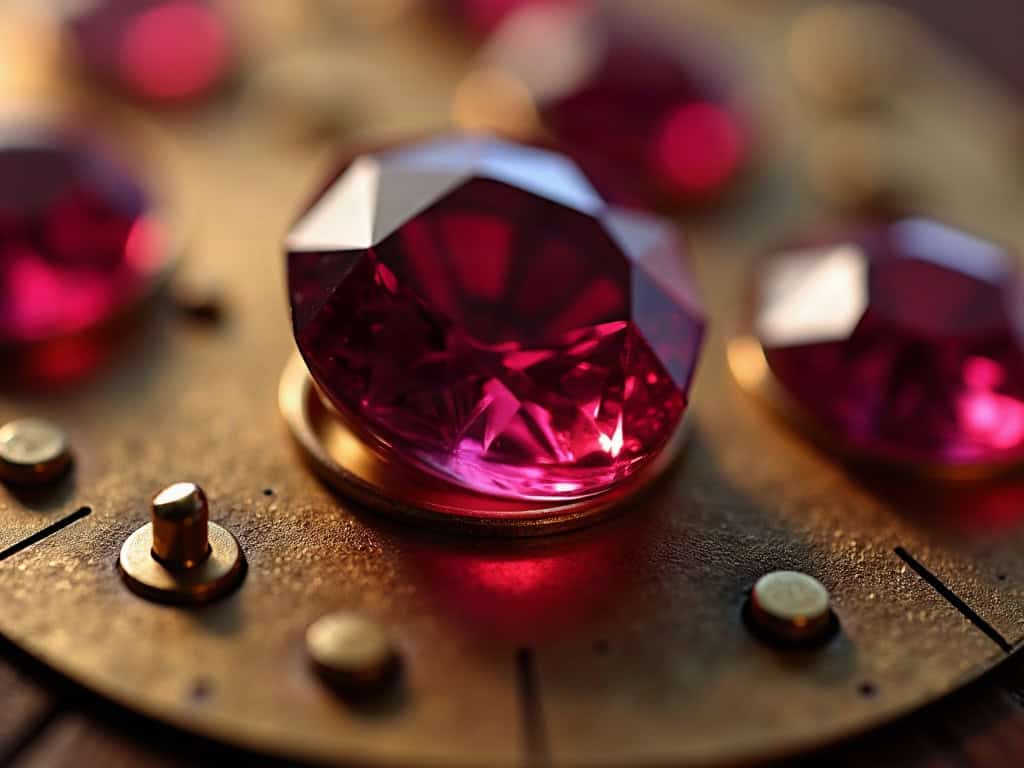
The Caliber Corner entry for the SW200-1 lists 26 jewels, a frequency of 28,800 vibrations per hour and a power reserve of about 38 hours.
The jewel count is the detail that trips people up. The ETA 2824-2 has 25 jewels and the Sellita has 26, which is the quickest way to tell the two apart through a display caseback. It is a design difference in the automatic winding train, not a quality claim in either direction.
Everything else behaves as you would expect from a modern Swiss automatic. It hacks, meaning the seconds hand stops when you pull the crown so you can set the time precisely, and it hand-winds if the watch has been sitting.
| Specification | Sellita SW200-1 | ETA 2824-2 |
|---|---|---|
| Jewels | 26 | 25 |
| Frequency | 28,800 vph (4 Hz) | 28,800 vph (4 Hz) |
| Power reserve | About 38 hours | About 38 hours |
| Hacking seconds | Yes | Yes |
| Hand winding | Yes | Yes |
| Availability | Sold to any brand | Restricted outside Swatch Group |
What it is like to own
The honest headline is that a 38-hour reserve is short by modern standards. Take the watch off on Friday evening and it will have stopped before Sunday, which is exactly the problem the Powermatic 80 was built to solve with its eighty hours.
In exchange you get something the long-reserve movements cannot match: total ubiquity of parts and knowledge. Every competent watchmaker on earth has serviced this architecture, spares are everywhere, and nothing about a repair is exotic or expensive.
Accuracy varies by the grade a brand specifies. Sellita sells several tiers, from a standard grade to a chronometer grade, and two watches with the same movement name can be regulated to noticeably different tolerances.
Where you will meet one
It appears throughout the independent Swiss sector. Oris uses modified Sellita and ETA bases across much of its range, reserving its own Calibre 400 for specific references, and that pattern repeats at dozens of smaller brands.
Microbrands lean on it especially hard, because it lets a small company ship a genuinely Swiss automatic without owning a movement factory. If a watch says Swiss Made and the brand does not talk about its manufacture calibre, this or its ETA equivalent is the likely answer.
The Japanese equivalent in this role is Seiko, and our guide to the NH35 covers the same job at a fraction of the cost. For how the tiers compare in finished watches, our Tissot versus Seiko comparison is the practical version of the same question.
Frequently asked questions
What is the Sellita SW200-1?
A Swiss automatic movement with 26 jewels, a 28,800 vph beat rate and about 38 hours of power reserve. It hacks and hand-winds, and it is dimensionally interchangeable with the ETA 2824-2.
Is the Sellita SW200-1 as good as the ETA 2824-2?
In practical terms yes. The architectures are near-identical, both are made to Swiss standards, and both are regulated to whatever grade the buying brand specifies. The Sellita has 26 jewels against the ETA’s 25.
How accurate is the Sellita SW200-1?
It depends on the grade a brand orders. Sellita sells several tiers ranging from standard to chronometer specification, so two watches carrying the same movement can be regulated quite differently.
How long does a Sellita SW200-1 run off the wrist?
About 38 hours. That is short by current standards, so a watch left off from Friday evening will usually have stopped before Sunday.
Is a Sellita movement a downgrade?
No. It is a supplier choice rather than a compromise, and it exists because Swatch Group restricted ETA sales to outside brands. Parts and servicing knowledge are as widespread as for the ETA.
The verdict
The SW200-1 is the movement that kept independent Swiss watchmaking viable when its main supplier closed the door. That is a genuinely important thing to have done.
Judge the watch, not the logo on the rotor. The short power reserve is the real trade, and everything else about owning one is easier than the alternatives.

Daniel Hart is the editor of Watch The Watch. He researches and writes the site’s buying guides, brand comparisons, and explainers, focused on accessible, enthusiast-level watches — affordable automatics, divers, field and dress watches, everyday quartz, and the straps, winders and tools that go with them. The goal is practical, budget-aware advice that helps readers choose the right watch for their wrist and their budget. Recommendations draw on manufacturer specifications and the wider enthusiast community.