
Daniel Hart · ·
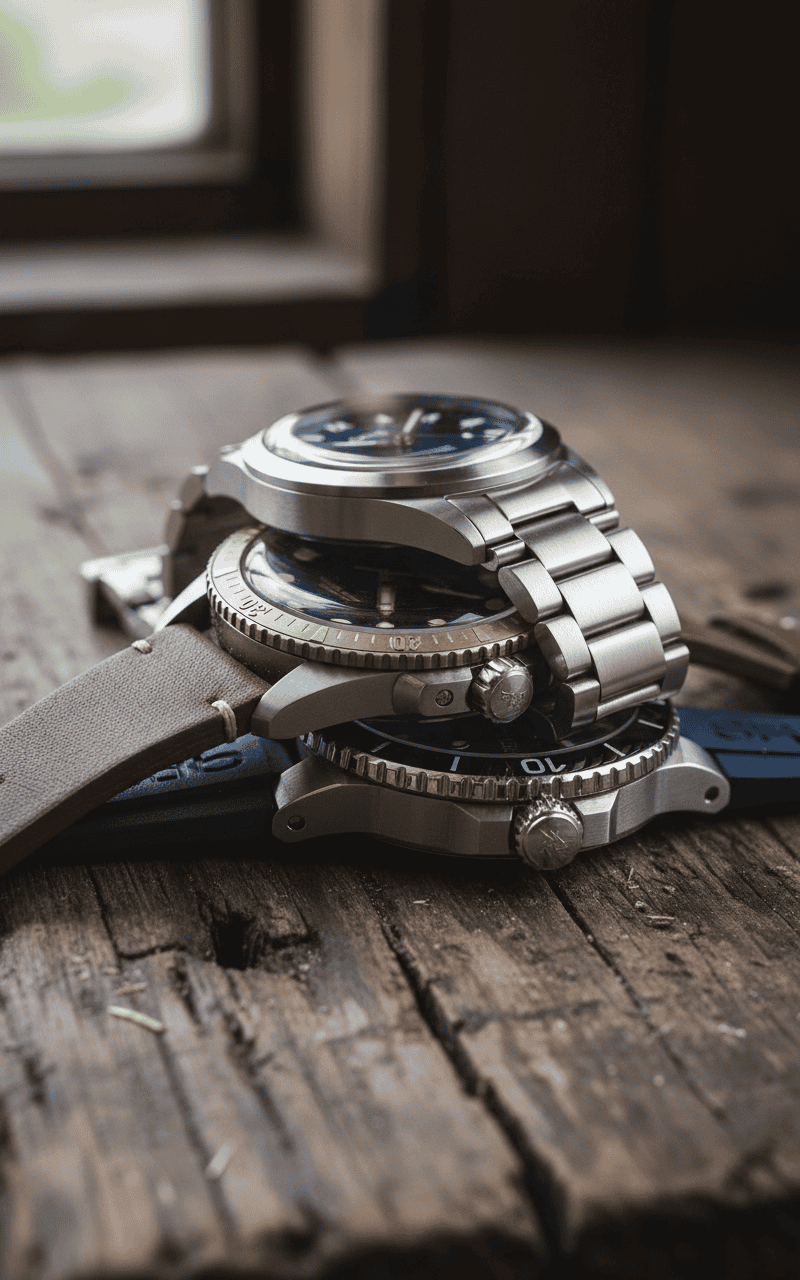
Every other brand in this comparison belongs to somebody. Tudor has the Wilsdorf Foundation, Longines and Rado have Swatch Group, Movado has Movado Group.
Oris has nobody. It has been independent since 1904 and remains family-scale in an industry of conglomerates, which is either a romantic detail or a structural weakness depending on your temperament.
Then it did something none of the giants matched: it built its own movement and put a ten-year warranty on it.
The short answer
What independence actually costs and buys
Independence is not automatically a virtue. A brand outside a group has no shared movement factory, no group purchasing power and no corporate parent to absorb a bad year.
Oris has handled that by being pragmatic. Much of the range runs on modified Sellita and ETA bases, which is standard practice and nothing to apologise for. The brand spent its independence on one thing instead of spreading it thin, and that thing was a movement of its own.
It also shows in the pricing. Oris does not carry a group’s marketing budget, and the watches are cheaper than their specification suggests as a result.

Calibre 400, and the number that matters
The Calibre 400 was conceived by Oris rather than adapted from someone else’s architecture. Oris publishes the specification on its own Calibre 400 page.
The power reserve is five days, or about 120 hours. In practice that means a watch left off the wrist over a long weekend is still running on Tuesday, which no 70-hour movement manages. It is also built to resist magnetism to a degree that puts ordinary domestic magnets out of the picture entirely.
The headline, though, is the guarantee. Oris offers a ten-year warranty and recommends ten-year service intervals on Calibre 400 watches. Tudor and Longines both offer five. The small independent doubled the two giants, which is not how this industry usually works.
| Brand | Movement type | Power reserve | Warranty | Entry price |
|---|---|---|---|---|
| Oris (Calibre 400) | Own calibre | About 120 hours | 10 years | About $2,100 |
| Tudor | Manufacture calibre by Kenissi | About 70 hours | 5 years | About $3,950 |
| Longines | ETA calibre exclusive to Longines | Varies by calibre | 5 years on self-winding | About $1,600 |
Buy the dealer before the watch
The same caution applies here as to every Swiss brand at this level, and it matters more when the warranty is the selling point. A ten-year guarantee is worth nothing if the seller cannot activate it.
Manufacturer warranties in this segment are registered by an authorised dealer at the point of sale. Marketplace listings from unauthorised sellers typically substitute their own shorter in-house cover, which on a Calibre 400 watch means giving up the single best reason to buy it.
Grey-market discounts are genuine and plenty of buyers accept the trade knowingly. Just price the warranty into the comparison rather than treating the saving as free.
Who Oris is for
Buy one if you want a mechanical watch to keep for a decade and you would rather the money went into the movement than the marketing. On that brief Oris is close to unbeatable at the price.
It also suits people who dislike ubiquity. Tudor is a wonderful watch and increasingly a common one, whereas an Aquis or a Divers Sixty-Five still reads as a choice rather than a default.
Skip it if resale value drives your decisions, because independence cuts both ways and the secondary market is thinner than for group-owned brands. And if this is a first mechanical watch rather than a considered upgrade, Seiko is still the cheaper place to learn what you like.
Three Oris watches worth knowing
Chosen to show the range. Check the Calibre 400 designation specifically if the ten-year warranty is what you are buying, and confirm the seller is authorised.
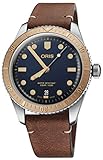
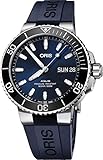

As an Amazon Associate, Watch The Watch earns from qualifying purchases at no extra cost to you. See our affiliate disclosure. Our best dive watches under $1,000 guide covers where the Aquis sits against its rivals, and our Tissot guide covers the Swiss tier immediately below.
Frequently asked questions
Is Oris a good watch brand?
Yes, and it is one of the strongest values in Swiss watchmaking. It has been independent since 1904, and its own Calibre 400 offers a five-day power reserve, strong anti-magnetism and a ten-year warranty.
Who owns Oris?
Nobody outside the company. Oris is independently owned and has been since 1904, which makes it unusual in an industry dominated by Swatch Group, LVMH, Richemont and the Wilsdorf Foundation.
What is the Oris Calibre 400?
An automatic movement conceived by Oris rather than adapted from an outside base. It offers roughly 120 hours of power reserve, high resistance to magnetism, and carries a ten-year warranty with ten-year recommended service intervals.
Is Oris better than Tudor?
On warranty and power reserve, clearly: ten years against five, and 120 hours against about 70. On brand recognition, finishing consistency and resale, Tudor holds the advantage. They suit different priorities.
Do all Oris watches have the Calibre 400?
No. Much of the range uses modified Sellita and ETA bases, which are reliable but carry the standard warranty. If the ten-year cover matters to you, check the specific reference before buying.
The verdict
Oris is what happens when a small company spends its independence on engineering instead of advertising. A five-day power reserve and a ten-year warranty from a brand with no group behind it is a genuinely remarkable thing.
Check that the reference carries Calibre 400, check that the dealer is authorised, and the rest looks after itself. Few watches at this price give you more reason to keep them.

Daniel Hart is the editor of Watch The Watch. He researches and writes the site’s buying guides, brand comparisons, and explainers, focused on accessible, enthusiast-level watches — affordable automatics, divers, field and dress watches, everyday quartz, and the straps, winders and tools that go with them. The goal is practical, budget-aware advice that helps readers choose the right watch for their wrist and their budget. Recommendations draw on manufacturer specifications and the wider enthusiast community.
