
Daniel Hart · ·
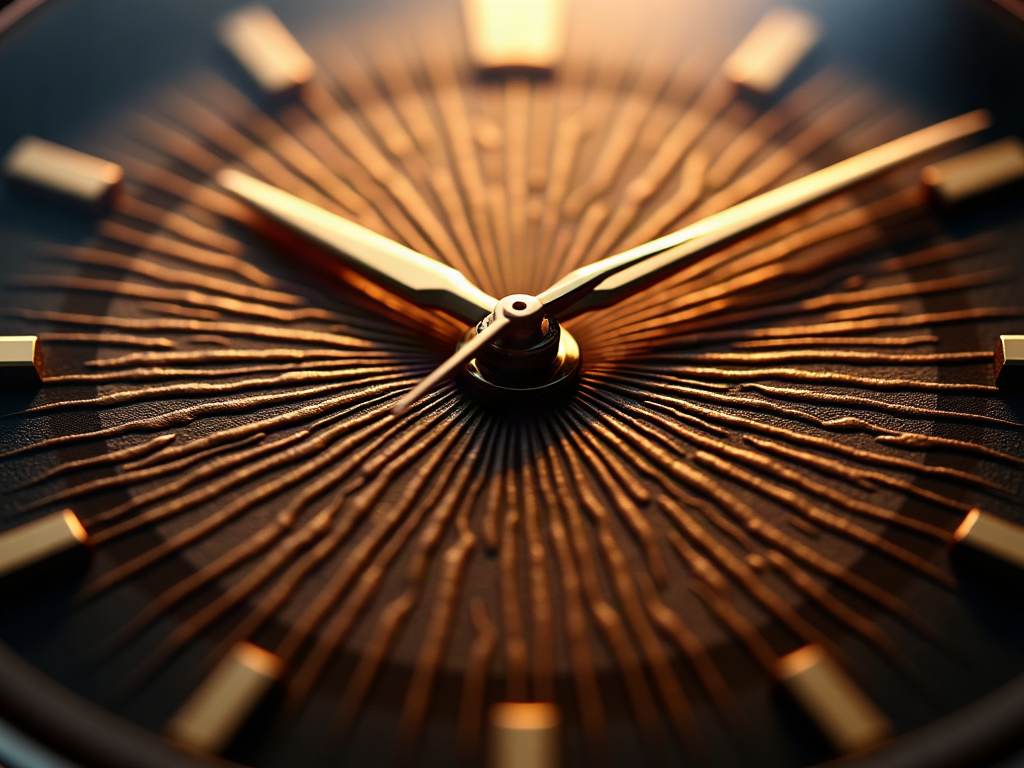
A stopped seconds hand looks like a dead watch and very often is not, because on a great many watches the large central seconds hand is not the running seconds at all.
On any chronograph it is the stopwatch hand, and it is supposed to sit still.
Work through these four in order before concluding anything is wrong.
The short answer
One: is it a chronograph?
If the watch has pushers above and below the crown, and one or more small subdials, it is a chronograph. On almost all of them the large central seconds hand belongs to the stopwatch and does nothing until you press the top pusher.
The hand that shows the watch is alive is one of the small subdials, usually the one at nine o’clock. Look at that instead, and the watch is almost certainly running perfectly.
The Federation of the Swiss Watch Industry sets out how the mechanism works on its chronograph page. Our chronograph roundup covers what these watches are.
Two, three and four
Is the crown pulled out? Most modern mechanical watches hack, meaning the seconds hand stops deliberately when the crown is pulled to set the time. Push it fully home and it will start again. On a screw-down crown, screw it back down.
Is there a small running seconds subdial? Many dress and pilot watches put the running seconds in a subdial and leave the centre to the hour and minute hands only. There is no central seconds hand to move.
Only then consider the movement. Our quartz and mechanical explainer covers what each type should be doing, and our accuracy calculator is the next step once it is running again.
| What you see | What it means |
|---|---|
| Pushers above and below the crown | It is the stopwatch hand. Check a subdial instead. |
| Crown is pulled out | The watch is hacking. Push it home. |
| A small subdial is ticking | The watch is running. There is no central seconds hand. |
| Quartz hand jumps in four-second steps | End-of-life battery warning |
| Nothing moves anywhere | Flat battery, or an unwound or stopped movement |
The four-second jump is a message
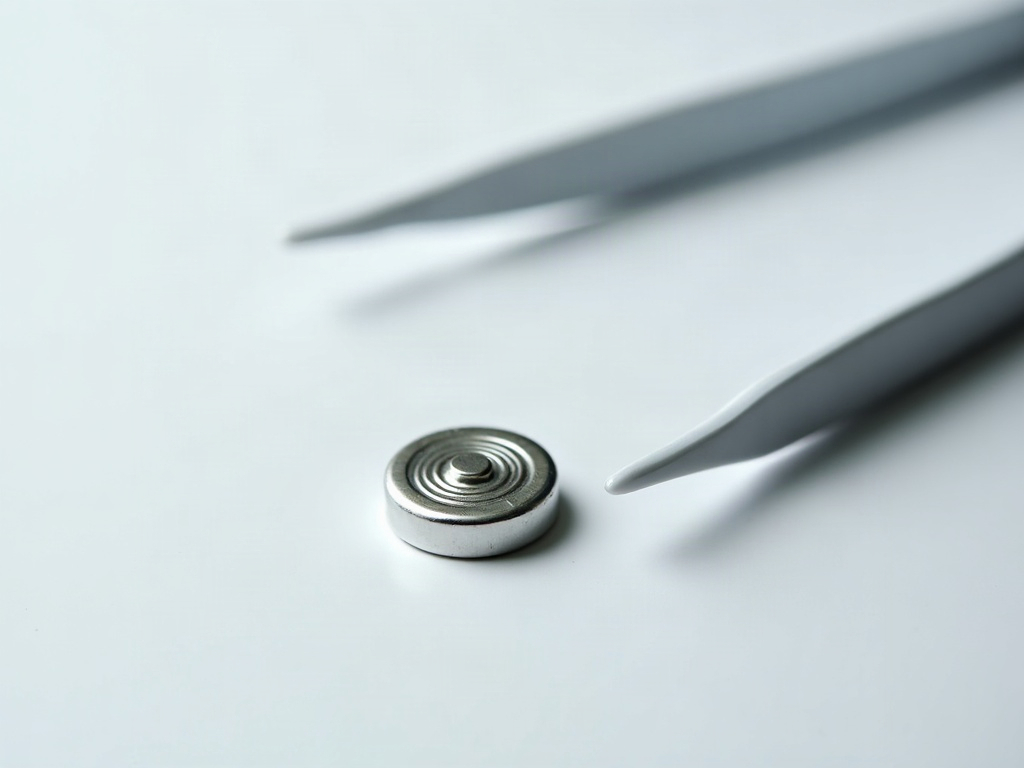
Many quartz movements have an end-of-life indicator. When the cell is nearly exhausted, the seconds hand stops moving once a second and starts jumping four seconds at a time instead.
That is not a fault, it is the watch telling you the battery has weeks left rather than months. Our quartz and mechanical explainer covers what normal looks like.
Replace the cell and have the gaskets checked while the case is open, because an opened case should be treated as unsealed until it has been pressure tested.
If it really has stopped
On an automatic, the usual answer is that it simply ran out. Wind it thirty turns by hand, set it, and wear it. Our guide to how long an automatic runs covers the reserve involved.
If it is fully wound and still will not run, that is a watchmaker rather than a home fix. A movement that stops when wound has a fault rather than an empty spring.
And if it runs but keeps poor time once restarted, our running fast diagnostic and guide to a watch losing time cover the two directions that can go.
Frequently asked questions
Why is my watch’s seconds hand not moving?
On a chronograph the central seconds hand is the stopwatch and sits still by design. Check the small running seconds subdial instead, which is usually at nine o’clock.
Does a pulled-out crown stop the seconds hand?
Yes, on most modern mechanical watches. They hack, meaning the seconds hand stops deliberately so the watch can be set precisely. Push the crown fully home.
Why does my quartz seconds hand jump four seconds at a time?
It is an end-of-life battery indicator. The movement switches to four-second steps to tell you the cell has weeks rather than months left.
My watch has no central seconds hand at all. Is that normal?
Yes. Many dress and pilot watches put the running seconds in a small subdial and leave the centre to the hour and minute hands.
My automatic has stopped completely. What now?
Wind it about thirty turns by hand, set it and wear it. If it is fully wound and still will not run, that is a fault rather than an empty mainspring.
The verdict
Most stopped seconds hands are not stopped at all. They belong to a stopwatch, or the crown is out, or the running seconds live somewhere else on the dial.
Identify which hand you are looking at before assuming anything. Three of the four causes cost nothing to fix.
Daniel Hart is the editor of Watch The Watch. He researches and writes the site’s buying guides, brand comparisons, and explainers, focused on accessible, enthusiast-level watches — affordable automatics, divers, field and dress watches, everyday quartz, and the straps, winders and tools that go with them. The goal is practical, budget-aware advice that helps readers choose the right watch for their wrist and their budget. Recommendations draw on manufacturer specifications and the wider enthusiast community.
