Daniel Hart · ·

For years the cheapest way into a real mechanical watch had an irritating catch. Seiko’s entry automatics could not be wound by hand and could not be stopped to set the time precisely.
The 4R36 fixed both. It arrived around 2011 to replace the long-serving 7S36, and it added hacking and hand-winding to a movement that still costs almost nothing.
That change is why the modern Seiko 5 Sports feels like a proper watch rather than a compromise.
The short answer
What replaced what, and why it mattered
The 7S36 that came before it was reliable and cheap, and it had two limitations that annoyed everyone who owned one. You could not wind it manually, so a stopped watch had to be shaken back to life, and the seconds hand would not stop, so setting it to the second was impossible.
The 4R36 keeps the same low cost and adds both functions. Hacking and hand-winding are the difference between a mechanism and a watch you can actually set.
It also carries a day and date rather than date alone, which is the detail that distinguishes it from the closely related 4R35 and from the NH35 that Seiko sells to other brands.
The numbers
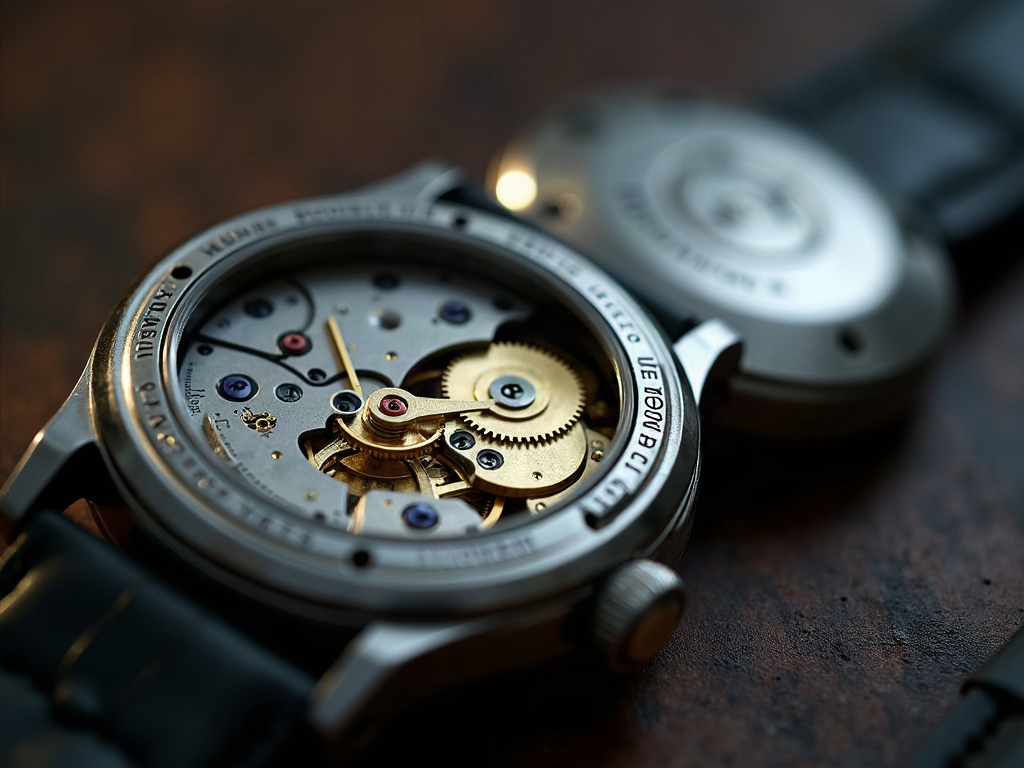
The Caliber Corner entry for the 4R36 lists 24 jewels and a beat rate of 21,600 vibrations per hour, which is 3 Hz. Power reserve is about 41 hours.
That beat rate is lower than the 28,800 vph of most Swiss automatics, and you can see it: the seconds hand sweeps in six steps per second rather than eight. It is not a flaw, it is a deliberate choice that trades a little smoothness for durability and cost.
Factory accuracy is specified loosely, and in practice examples vary widely. Many run well within the specification, some run fast, and a regulation at a watchmaker usually costs a fraction of the watch.
| Specification | Seiko 4R36 |
|---|---|
| Type | Automatic, hacking and hand-winding |
| Jewels | 24 |
| Frequency | 21,600 bph (3 Hz) |
| Power reserve | About 41 hours |
| Calendar | Day and date |
| Replaced | Seiko 7S36, around 2011 |
How it compares to its own relatives
Seiko sells closely related movements under different names depending on who is buying. The NH35 is the same generation supplied to outside brands, and our NH35 explainer covers it in detail. The practical difference is the calendar: the 4R36 shows day and date, the NH35 shows date only.
Against Swiss equivalents the gap is mostly in finishing and regulation rather than concept. A Sellita or ETA in this class beats faster and is usually regulated tighter, and it costs several times as much.
What the 4R36 buys is access. It is the reason a genuine automatic diver with a screw-down crown and 200 metres of water resistance exists under five hundred dollars at all, which our guide to where Seiko sits puts in context.
Who it is for
Buy one if this is a first mechanical watch. Nothing else teaches you what you like about automatics at this price, and if you decide the hobby is not for you, very little money is at risk.
It also suits people who want a beater. The 4R36 is easy and cheap to service, spares are everywhere, and you will not feel precious about wearing it to do something useful.
Skip it if you want chronometer accuracy out of the box or a long power reserve, because it offers neither. Our Tissot versus Seiko comparison is the natural next question if you are weighing the step up to Swiss.
Two watches that carry it
Both of these list the 4R36 in the manufacturer’s own specification, which is why they are here rather than any of the dozens of other candidates.

As an Amazon Associate, Watch The Watch earns from qualifying purchases at no extra cost to you. See our affiliate disclosure. For the Swiss equivalent at this job, our ETA 2824-2 explainer covers the movement the 4R36 is usually compared against.
Frequently asked questions
What is the Seiko 4R36?
An automatic movement with 24 jewels, a 21,600 bph beat rate and roughly 41 hours of power reserve. It hacks, hand-winds and drives a day and date display.
Does the Seiko 4R36 hack and hand-wind?
Yes, both. That is the main advance over the 7S36 it replaced around 2011, which could do neither.
What is the difference between the 4R36 and the NH35?
They are the same generation of movement. The 4R36 is used in Seiko’s own watches and shows day and date; the NH35 is supplied to outside brands and shows date only.
How accurate is the Seiko 4R36?
The factory specification is loose and real examples vary considerably. Many run comfortably within tolerance, and a regulation at a watchmaker will usually tighten a wayward one for a small fraction of the watch’s price.
Which watches use the Seiko 4R36?
Most of the Seiko 5 Sports range and a large part of the Prospex diver line. Check the manufacturer’s specification for the exact reference, because Seiko uses several closely related calibres across these families.
The verdict
The 4R36 is the most consequential cheap movement in modern watchmaking. It turned Seiko’s entry automatics from a curiosity into watches people genuinely use.
It is not accurate by Swiss standards and it does not pretend to be. What it offers is a real mechanical watch at a price where nothing else is real, and that is worth more than a few seconds a day.

Daniel Hart is the editor of Watch The Watch. He researches and writes the site’s buying guides, brand comparisons, and explainers, focused on accessible, enthusiast-level watches — affordable automatics, divers, field and dress watches, everyday quartz, and the straps, winders and tools that go with them. The goal is practical, budget-aware advice that helps readers choose the right watch for their wrist and their budget. Recommendations draw on manufacturer specifications and the wider enthusiast community.