Daniel Hart · ·
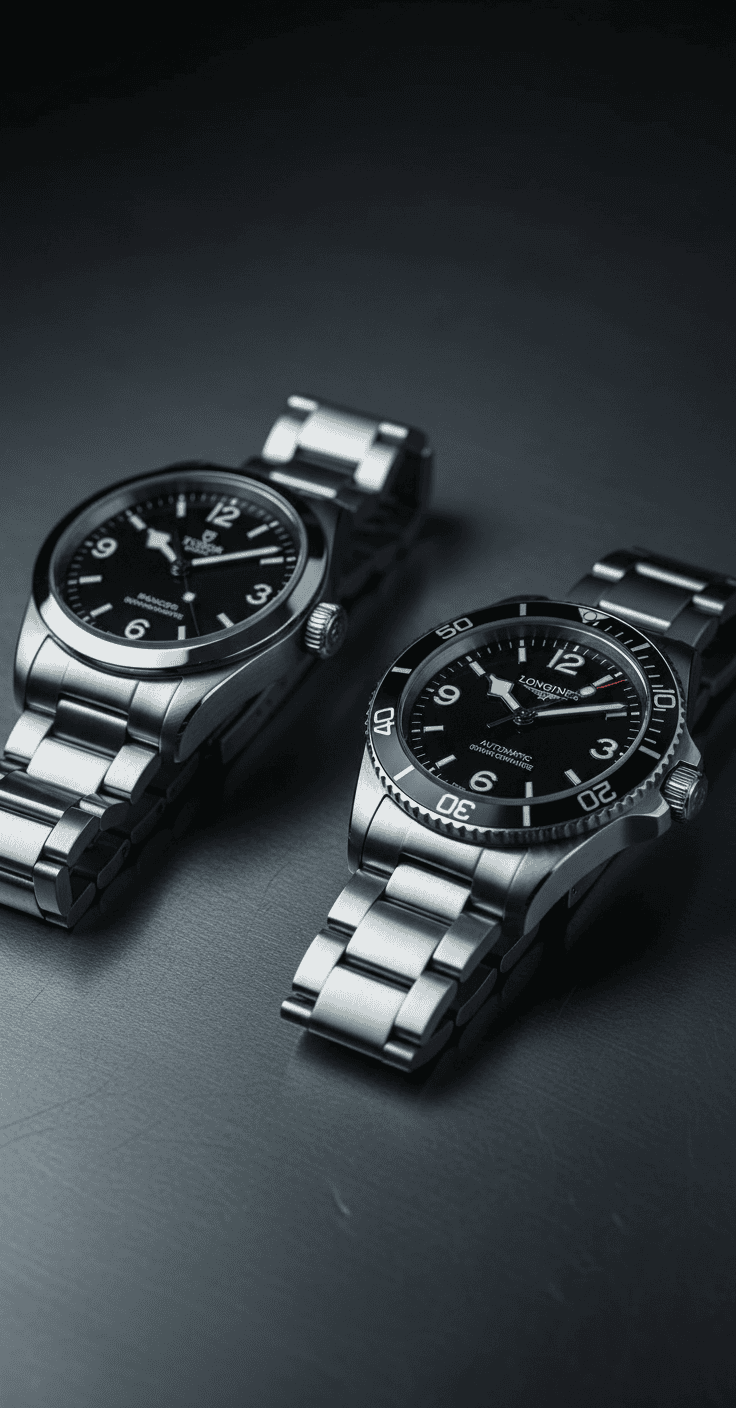
Both of these are five-year-warranty Swiss automatics from serious companies, and both are honest answers to the same question.
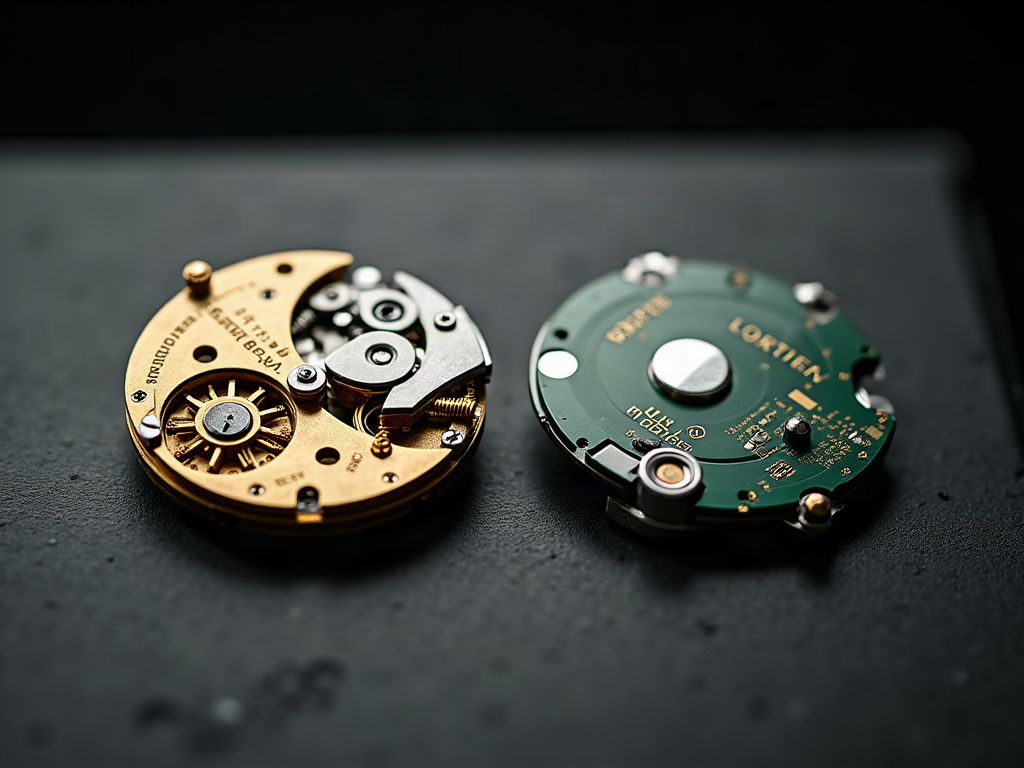
The difference is structural. Tudor builds calibres through a movement company it part-owns. Longines uses calibres ETA develops exclusively for it inside Swatch Group.
Tudor charges roughly two and a half times more for the entry model, and the argument is about whether manufacture status is worth that.
The short answer
Manufacture against exclusive supply
Tudor’s calibres come from Kenissi and are COSC certified, with around 70 hours of reserve and silicon balance springs. The company documents it on its manufacture movement page.
Longines does not build movements. It gets ETA calibres developed for it and not sold to other brands, several with silicon balance springs. That is a meaningful step above buying off a catalogue and a step below making your own.
Full detail is in the Tudor guide and the Longines guide.
Head to head
The warranty is identical at five years, which is worth noting because it removes the usual tiebreaker.
Sapphire crystal is standard on both. Both are genuinely water resistant dive watches at the entry point. The specifications converge more than the prices do.
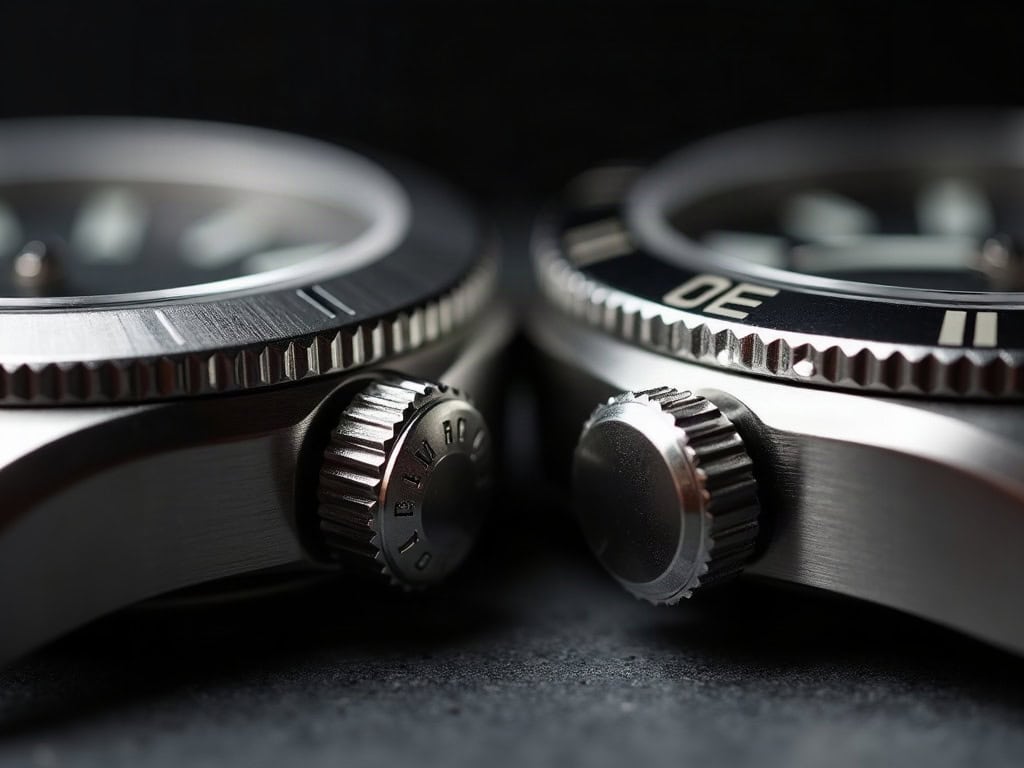
Where they diverge is certification and finishing. COSC is an independent standard rather than a house claim, and Tudor’s case and bracelet work is a clear level above.
| Tudor Ranger | Longines HydroConquest | |
|---|---|---|
| Group | Hans Wilsdorf Foundation | Swatch Group |
| Movement | Manufacture calibre by Kenissi | ETA calibre exclusive to Longines |
| Certification | COSC | House standard |
| Power reserve | About 70 hours | Varies by calibre |
| Warranty | 5 years | 5 years on self-winding |
| Price | About $3,950 | About $1,600 |
What the extra money actually buys
Certification, finishing and resale. COSC is real, the bracelet and bezel work is visibly better, and Tudor holds value in a way Longines generally does not.
What it does not buy is more watch in any functional sense. Both will keep good time, resist water and last decades with servicing.
Longines answers with an archive that predates almost everything, having been founded in 1832, and with designs that age unusually well. That is worth something, just not something a spec sheet records.
Which to buy
Longines if this is your first serious Swiss watch or if the budget is fixed. The HydroConquest is a great deal of watch for the money and nothing about it feels like a compromise.
Tudor if you want the manufacture calibre and the finishing, or if resale is part of your thinking. Neither is a mistake, and the Longines leaves money for a second watch.
Buy from an authorised dealer either way. In this bracket the warranty is registered at the point of sale, so an unauthorised marketplace seller usually leaves you with only their own guarantee.
The three to consider
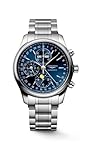
Entry points from both, plus the Longines dress line for comparison. Confirm the seller is authorised.

As an Amazon Associate, Watch The Watch earns from qualifying purchases at no extra cost to you. See our affiliate disclosure. Our Rolex pricing explainer covers the family Tudor comes from, and our Tissot guide covers the Swatch Group tier below Longines.
Frequently asked questions
Is Tudor better than Longines?
On movement certification and finishing, yes. Tudor uses COSC-certified manufacture calibres and finishes cases to a higher standard. Longines offers comparable function and a five-year warranty for far less money.
Are Longines movements in-house?
Not strictly. They are ETA calibres developed exclusively for Longines and not sold to other brands, which sits above generic supply and below full manufacture.
Which holds value better?
Tudor, clearly. Longines depreciates more like a normal watch, which matters if you expect to sell and not at all if you do not.
Do both have sapphire crystal?
Yes, sapphire is standard across the mechanical ranges of both brands, which is one of the clearest separations from the fashion tier.
Which is the better first Swiss automatic?
The Longines HydroConquest, on price alone. It offers the full Swiss automatic experience with a five-year warranty at well under half the Tudor entry price.
The verdict
Two five-year warranties, two sapphire crystals, two proper Swiss automatics, and a price gap of more than two thousand dollars.
Longines is the better buy and Tudor is the better object. If you cannot decide, the Longines leaves enough change to be wrong about it cheaply.

Daniel Hart is the editor of Watch The Watch. He researches and writes the site’s buying guides, brand comparisons, and explainers, focused on accessible, enthusiast-level watches — affordable automatics, divers, field and dress watches, everyday quartz, and the straps, winders and tools that go with them. The goal is practical, budget-aware advice that helps readers choose the right watch for their wrist and their budget. Recommendations draw on manufacturer specifications and the wider enthusiast community.