Daniel Hart · ·

These two brands built the same business at the same time using the same tools: thin cases, pale dials, no clutter, and enormous amounts of social advertising.
They are close enough that most buyers pick on styling alone. On the two specifications that can be checked, MVMT wins both, and it costs less.
Here is the honest separation.
The short answer
Two versions of the same idea
Daniel Wellington launched in Sweden in 2011 and grew by putting watches on tens of thousands of Instagram accounts. MVMT followed in 2013 from California with a direct-to-consumer argument about cutting retail markup.
Neither built a movement or a factory. Both design and contract-manufacture, both use Japanese quartz, and both sell restraint as the product. The design languages are close enough to confuse at a glance.
One difference worth knowing: MVMT was acquired by Movado Group in 2018, so the direct-to-consumer story no longer describes the ownership. Fuller takes are in the MVMT guide and the Daniel Wellington guide.
Head to head
Water resistance is the clearest split. The MVMT Classic II is rated 5 ATM, which covers shallow swimming. Daniel Wellington is 3 ATM across the entire range, and the company’s own owner’s guide says to take the watch off before showering.
Price runs the same direction. The MVMT Classic II undercuts the Daniel Wellington Classic by roughly seventy dollars while offering the better rating.
Case sizes differ more than the photographs suggest. MVMT runs 40 to 45 mm, Daniel Wellington from 28 mm upward, so the smaller wrist is much better served by DW.
| MVMT Classic II | Daniel Wellington Classic | |
|---|---|---|
| Owner | Movado Group since 2018 | Independent |
| Case | 40 mm | 40 mm steel |
| Movement | Japanese quartz | Japanese quartz |
| Water resistance | 5 ATM / 50 m | 3 ATM / 30 m |
| Strap system | Standard | Quick-release, tool-free |
| Price | About $118 | About $190 |
Where Daniel Wellington still wins
Proportions at the small end. The Petite line at 28 mm is genuinely well judged, and MVMT has nothing comparable for a slim wrist.
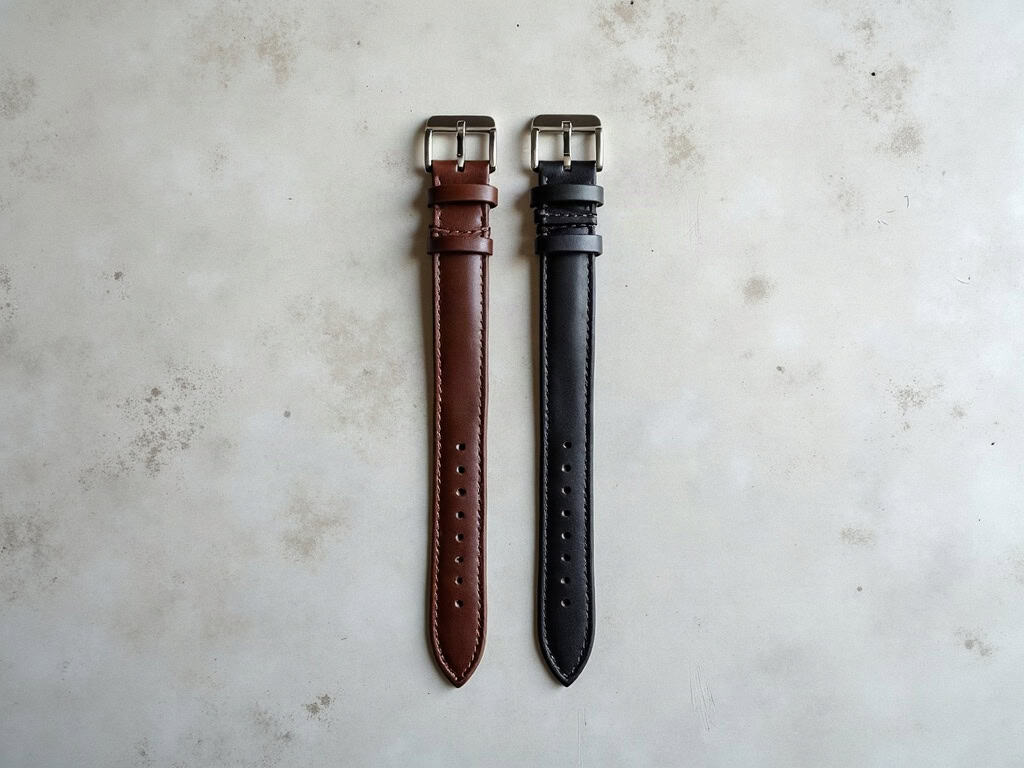
The strap system is the other real advantage. Quick-release bars mean a tool-free swap in about ten seconds, and one watch with three straps genuinely covers more ground than two watches. Our strap width finder helps if you want to shop outside the brand, which is usually cheaper.
Brand recognition is also higher, which matters if the watch is a gift rather than a purchase.
Which to buy
MVMT for yourself, on price and sealing. The Classic II is the sweet spot of both ranges and arguably the best value in the whole minimalist tier.
Daniel Wellington if your wrist is small, if the strap system appeals, or if the recipient will recognise the name. Those are legitimate reasons, they are just not specification reasons.
If neither quite convinces, Skagen does the same minimalism from Fossil’s supply chain at around $78, which undercuts both.
The three to consider
The MVMT that makes the value case, and both Daniel Wellington sizes.


As an Amazon Associate, Watch The Watch earns from qualifying purchases at no extra cost to you. See our affiliate disclosure. Our everyday watch guide covers what else that budget reaches.
Frequently asked questions
Is MVMT better than Daniel Wellington?
On specification, yes. MVMT entry models are rated 5 ATM against Daniel Wellington’s 3 ATM and cost less. Daniel Wellington wins on the quick-release strap system and on small case sizes.
Are MVMT and Daniel Wellington the same kind of brand?
Very nearly. Both launched in the early 2010s, both sell minimalist Japanese quartz watches, and both grew through social advertising rather than retail. MVMT is now owned by Movado Group.
Which can you swim with?
MVMT, at the entry end. The Classic II is rated 5 ATM, which covers shallow swimming. No Daniel Wellington should go in water beyond splashes.
Which is better value?
MVMT, clearly. It is cheaper and better sealed with a comparable movement. Skagen undercuts both if pure value is the goal.
Do the straps swap between brands?
Only if the lug widths match, and Daniel Wellington’s quick-release bars make its own swaps far easier. Check the width before buying a replacement for either.
The verdict
Two brands selling the same restraint to the same buyer, separated by seventy dollars and one ATM rating.
MVMT is the better watch, Daniel Wellington is the better system. If you only ever wear one strap, the choice is easy.

Daniel Hart is the editor of Watch The Watch. He researches and writes the site’s buying guides, brand comparisons, and explainers, focused on accessible, enthusiast-level watches — affordable automatics, divers, field and dress watches, everyday quartz, and the straps, winders and tools that go with them. The goal is practical, budget-aware advice that helps readers choose the right watch for their wrist and their budget. Recommendations draw on manufacturer specifications and the wider enthusiast community.