Daniel Hart · ·
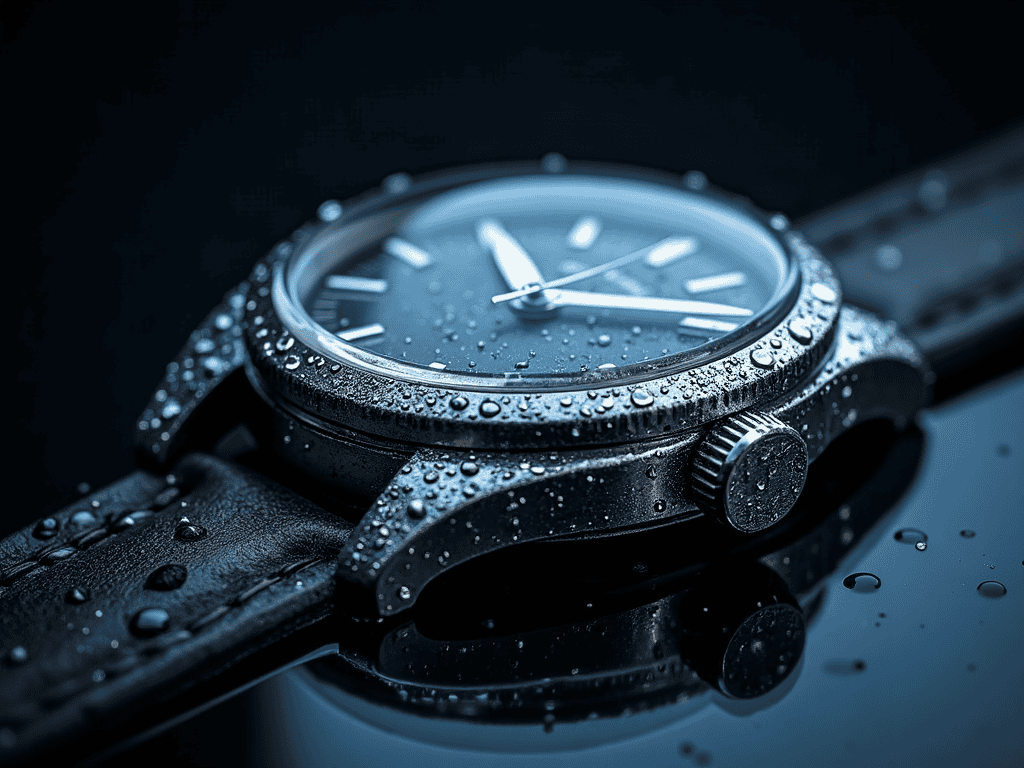
The single most misunderstood number in watchmaking is the one stamped on the back of your case.
A watch marked 30 m is not safe at thirty metres of water. It is not safe swimming at all. The figure is a pressure rating measured in a static laboratory test, and the gap between that test and a real swimming pool is where thousands of watches die every year.
Here is what the numbers mean, what they do not mean, and the one habit that prevents most water damage.
The short answer
Why the number is not a depth
A watch rated to 30 m is tested at a static pressure equivalent to thirty metres of water. Nothing moves during that test. In real water, movement multiplies the pressure sharply: swinging an arm through a swimming stroke or diving into a pool produces brief pressure spikes far above the static equivalent.
That is why the practical guidance is always more conservative than the marking. A 30 m watch should not go swimming, and a 50 m watch should not be worn diving into a pool, however illogical those numbers look.
The Federation of the Swiss Watch Industry sets out the testing basis and the practical limits on its water resistance page.
What each rating actually permits
The table below is the version worth memorising. It is deliberately more cautious than the stamped figures, because the stamped figures assume a new watch with fresh gaskets and no movement.
Two things fall outside the ratings entirely. Hot water and steam damage a watch at any rating, because heat expands the metal and the gaskets at different rates and opens a path. A shower is worse for a watch than a swim, and a sauna is worse still.
Soap is the other one. Surfactants reduce the surface tension of water and help it past a seal that would otherwise hold, which is why showering with a watch is a bad idea even at 100 m.
| Marking | What it really allows | What it does not |
|---|---|---|
| 30 m / 3 ATM | Rain, splashes, hand washing | Swimming, showering |
| 50 m / 5 ATM | Brief shallow swimming | Diving in, water sports |
| 100 m / 10 ATM | Swimming and snorkelling | Scuba diving |
| 200 m / 20 ATM | Scuba diving | Saturation diving |
| 300 m and above | Serious diving, usually with a screw-down crown | Nothing much in ordinary life |
The habit that saves most watches
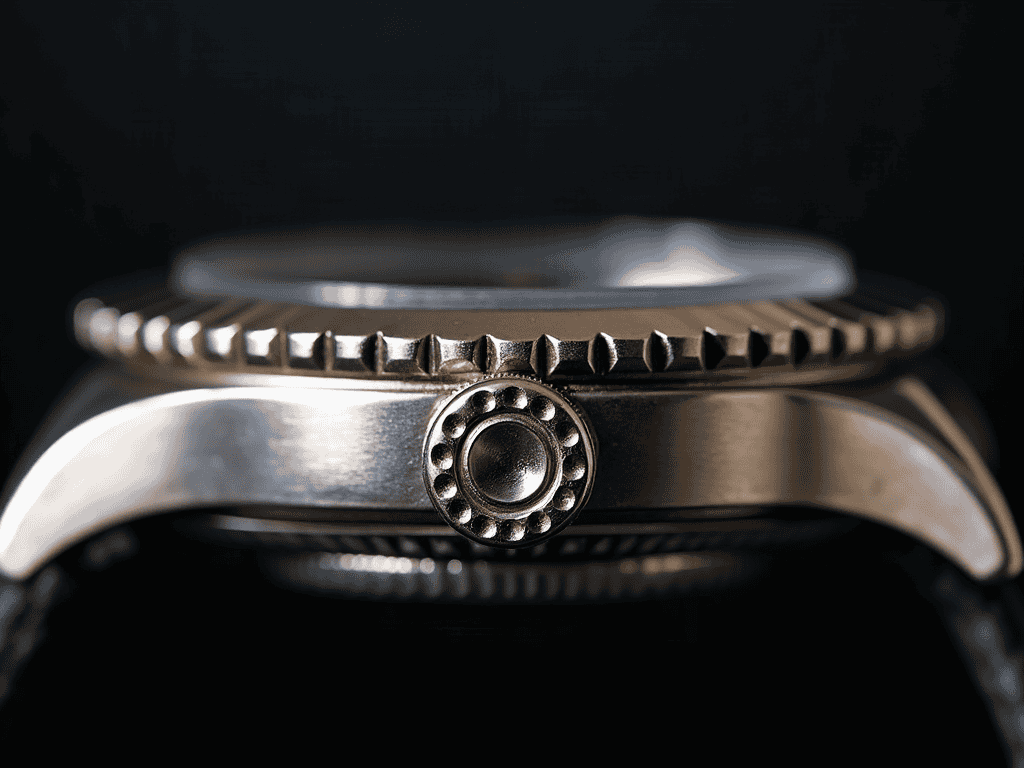
Check the crown before water. On a screw-down crown that means turning it until it seats and stops; on a push crown it means pressing it fully home.
A watch with a 300 m rating and an unscrewed crown is an open cup. The rating describes a sealed case, and the crown is the one seal the wearer opens routinely. If you are unsure which type yours is, pull it gently: a screw-down crown will not move at all until it has been unscrewed.
The second habit is rinsing in fresh water after the sea. Salt crystallises in the gaps around the crown and bezel as it dries, and abrasive crystals in a seal do exactly what you would expect.
Ratings expire, and nobody tells you
Gaskets are rubber. They compress, dry out and lose elasticity over years, and a watch that left the factory at 200 m may hold far less after a decade without service. Watches built for water are a different category entirely, and our guide to affordable dive watches covers the ones designed to be serviced for it.
Any time the case has been opened for a battery, the rating should be assumed void until the watch has been pressure tested. A battery change is the most common cause of a watch that used to be waterproof and suddenly is not. If you are matching a watch to what you actually do rather than to a number, our watch finder quiz weighs water resistance against everything else.
If the number matters to you, our water resistance checker matches a rating to what you actually plan to do, and our dive bezel guide covers the other half of using a real diver.
Frequently asked questions
Can I swim with a 30 m water resistant watch?
No. A 30 m rating covers rain, splashes and hand washing only. The figure is a static pressure test, and swimming produces pressure spikes well above it.
What water resistance do I need for swimming?
100 m is the comfortable answer. 50 m will usually survive brief shallow swimming but leaves no margin, and neither rating covers diving in from a height.
Why can I not shower with a water resistant watch?
Heat and soap are the problem rather than pressure. Hot water expands the case and gaskets at different rates, and soap reduces surface tension so water passes seals that would otherwise hold.
Does water resistance wear off?
Yes. Gaskets are rubber and lose elasticity over the years, so an old watch holds less than its marking suggests. Assume the rating is void after the case has been opened until it is pressure tested.
What does ATM mean on a watch?
One ATM is one atmosphere of pressure, roughly equivalent to ten metres of water. So 5 ATM is the same marking as 50 m, and the same practical cautions apply.
The verdict
Treat the number on the caseback as a ceiling measured under ideal conditions on a new watch, then take a large step back from it.
Screw the crown down, keep the watch out of hot water, and rinse it after the sea. Those three habits prevent more water damage than any rating on any case.

Daniel Hart is the editor of Watch The Watch. He researches and writes the site’s buying guides, brand comparisons, and explainers, focused on accessible, enthusiast-level watches — affordable automatics, divers, field and dress watches, everyday quartz, and the straps, winders and tools that go with them. The goal is practical, budget-aware advice that helps readers choose the right watch for their wrist and their budget. Recommendations draw on manufacturer specifications and the wider enthusiast community.