
Daniel Hart · ·
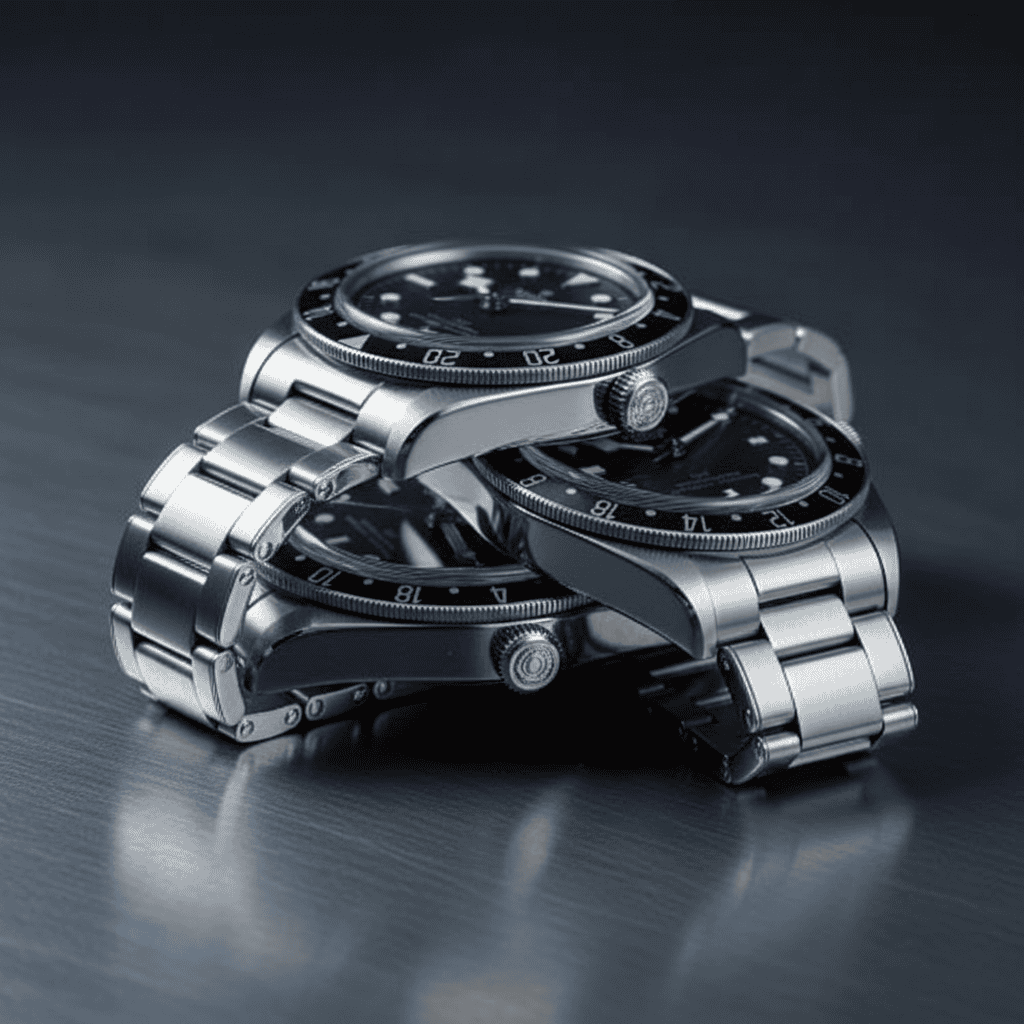
Tudor is usually introduced as the cheaper Rolex, which is both true and unhelpful. The two companies sit under the same owner, the Hans Wilsdorf Foundation, and share standards, suppliers and a quality department.
What they do not share is a movement. Since 2015 Tudor has built its own calibres, and that decision is what turned the brand from a badge exercise into a serious watch company.
Here is what the parentage actually buys, what the movement does, and the one thing to check before buying online.
The short answer
What the Rolex connection actually means
Tudor was founded by Hans Wilsdorf, who also founded Rolex, and both companies remain under the Wilsdorf Foundation. They are sister companies rather than parent and subsidiary.
In practice that means shared quality control, shared case-making expertise and a shared attitude to tolerances. It does not mean a Tudor contains Rolex parts, and anyone selling you that idea is overselling.
The movements come from Kenissi, a movement manufacturer Tudor established and part-owns. That is a meaningful distinction: the calibres are exclusive to Tudor rather than bought off a shelf, but they are not Rolex calibres in a different case.
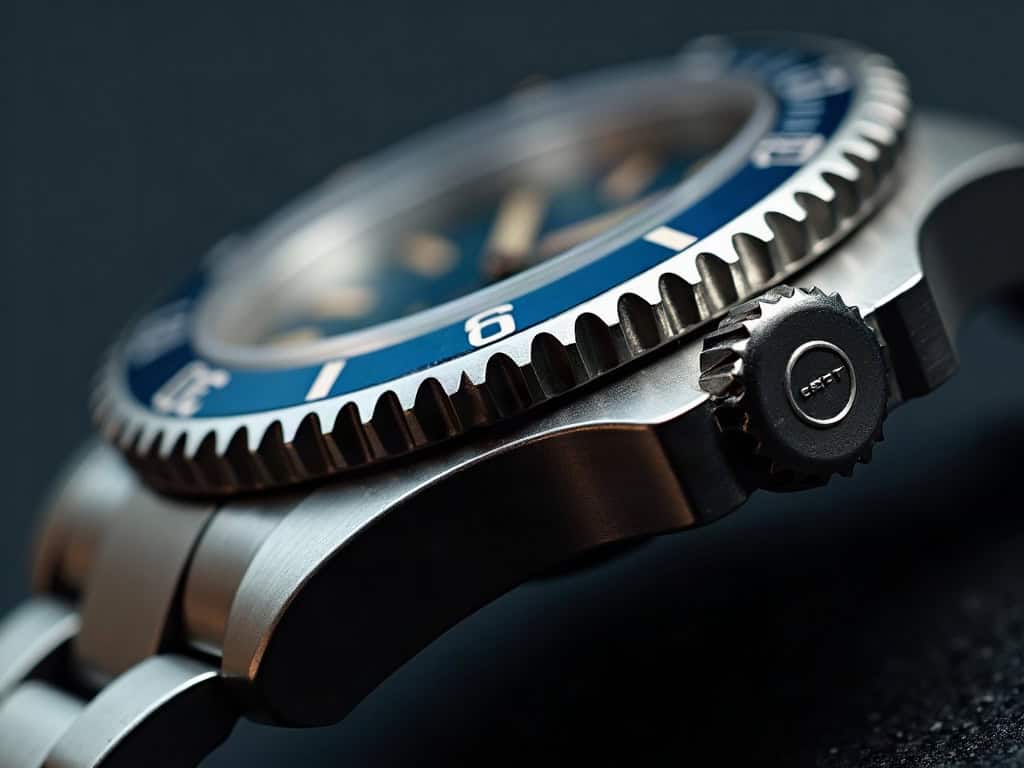
The movement, and why it matters at this price
The MT5602 and its siblings are certified by the COSC, which is an independent chronometer standard rather than a marketing claim. Tudor documents the specification on its own manufacture movement page.
Two features matter more than the certificate. The power reserve is around 70 hours, which means a watch taken off on Friday evening is still running on Monday morning. And the balance spring is silicon, which is effectively immune to magnetism, the single most common cause of a mechanical watch running badly in ordinary modern life.
The warranty is five years. That is double what much of the Swiss industry offered until recently, and it tells you what the company thinks of its own reliability.
| Model | Movement | Power reserve | Certification | Warranty | Price |
|---|---|---|---|---|---|
| Black Bay GMT | Manufacture calibre | About 70 hours | COSC | 5 years | About $4,570 |
| Black Bay GMT 58 | Manufacture calibre | About 70 hours | COSC | 5 years | About $5,450 |
| Ranger | Manufacture calibre | About 70 hours | COSC | 5 years | About $3,950 |
The thing to check before buying online
This applies to every Swiss brand at this level and it is worth stating plainly. The manufacturer warranty is activated by an authorised dealer at the point of sale, not by the factory when the watch is made.
A watch bought from an unauthorised seller, including many third-party listings on large marketplaces, typically arrives with no manufacturer warranty at all. What it carries instead is the seller’s own in-house guarantee, which is a different and usually weaker thing.
That does not make grey-market buying wrong, and the discounts are real. It does mean the price difference is buying something, and on a four thousand dollar watch with a five-year factory warranty, the something is substantial. Check the seller’s authorisation before you click, not after.
Who Tudor is for
Buy one if you want a mechanical watch you will keep. The finishing, the movement specification and the five-year warranty put it comfortably above the fashion tier, and the value case against most Swiss competitors is genuinely strong.
It suits the buyer stepping up from a first automatic. If you started with a Japanese diver, this is the logical next step, and our Tissot versus Seiko comparison covers where that journey usually begins.
Skip it if you want the Rolex crown specifically, because a Tudor will not scratch that itch. Skip it too if a four-figure watch is a stretch for the wrong reasons. For a much cheaper mechanical entry point, Seiko remains the sensible answer.
Three Tudor watches worth knowing
Listed to show the range. Prices on marketplace listings move constantly, and the warranty caveat above applies to every one of them.


As an Amazon Associate, Watch The Watch earns from qualifying purchases at no extra cost to you. See our affiliate disclosure. For the brand it is always measured against, our explainer on Rolex pricing covers what the crown actually costs, and our Submariner alternatives guide covers the watches people cross-shop instead.
Frequently asked questions
Is Tudor a good watch brand?
Yes. Since 2015 it has used manufacture movements certified by the COSC, with roughly 70 hours of power reserve, silicon balance springs and a five-year warranty. The finishing and specification are strong for the money.
Is Tudor owned by Rolex?
Not exactly. Tudor and Rolex are sister companies under the Hans Wilsdorf Foundation. They share standards and expertise, but a Tudor does not contain Rolex movements or parts.
Are Tudor movements in-house?
They are manufacture calibres made by Kenissi, a movement company Tudor established and part-owns. That makes them exclusive to Tudor rather than generic, though purists distinguish this from fully in-house production.
Does Tudor honour the warranty on a grey-market watch?
Generally no. The five-year manufacturer warranty is activated by an authorised dealer at the point of sale. A watch from an unauthorised seller usually carries only that seller’s own guarantee.
Is a Tudor better value than an entry-level Rolex?
On specification per dollar, yes, and by a wide margin. On resale and on the badge itself, no. Which matters more is a personal question rather than a technical one.
The verdict
Tudor is the rare case where the value story and the enthusiast story agree. A COSC-certified manufacture movement with a 70-hour reserve, a silicon balance spring and a five-year warranty is a serious specification at this price.
Buy the watch, but buy the dealer first. The single biggest variable in what you actually receive is whether the seller can activate that warranty.

Daniel Hart is the editor of Watch The Watch. He researches and writes the site’s buying guides, brand comparisons, and explainers, focused on accessible, enthusiast-level watches — affordable automatics, divers, field and dress watches, everyday quartz, and the straps, winders and tools that go with them. The goal is practical, budget-aware advice that helps readers choose the right watch for their wrist and their budget. Recommendations draw on manufacturer specifications and the wider enthusiast community.
